In a nutshell
- The minimum age to bungy jump at AJ Hackett is 10 years old.[1]
- Jumpers must weigh at least 35kg and no more than 235kg on AJ Hackett bungy jumps.[1]
- The Kawarau Bridge bungy site sits 43 metres above the Kawarau River on a historic suspension bridge.[2]
- The Kawarau Bridge Bungy Centre is around a 25-minute drive (23 km) from Queenstown via State Highway 6.[3]
- The tour runs 1 to 2.5 hours from US$188, with free cancellation up to 24 hours in advance.[4]
- Top choice Kawarau Bridge Bungy from US$188 Duration1 - 2.5 hours[4]Rating4.90 from 195 reviews[4]GuideInstructor: English[4]Free cancellationUp to 24 hours in advance[4] Check availability
- Shotover and Kawarau Jet from US$87 Duration1 hour[5]Rating4.76 from 1,959 reviews[5]GuideLive tour guide: English[5]Free cancellationUp to 24 hours in advance[5] See this tour
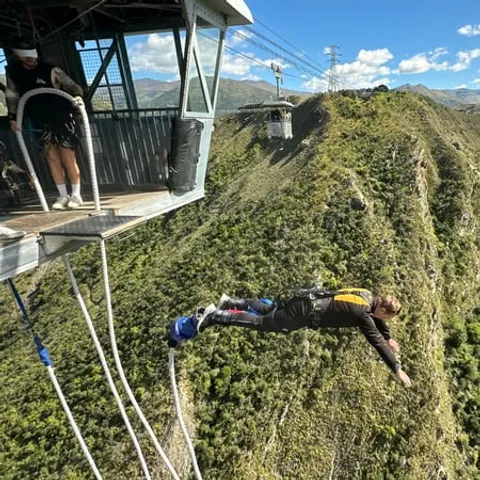
- Nevis Bungy from US$232 Duration4 hours[6]Rating4.96 from 100 reviews[6]GuideInstructor: English[6]Free cancellationUp to 24 hours in advance[6] See this tour
In New Zealand, bungy operators are required to be registered under the Health and Safety at Work (Adventure Activities) Regulations 2016 and must periodically pass independent safety audits.
Who can jump and who should watch
Worth knowing first
- Check the age and weight limits before you travel
- Tell the operator about any health condition or medication
- Compare the from-prices of the bridge, swing and jet boat listings
- Choose a slot that leaves room for the drive to the gorge
On the day
- Arrive early for check-in and the weigh-in
- Bring photo identification for age checks at the counter
- Empty your pockets and hand over anything you would miss
- Dress for gorge weather with closed shoes that stay on
Who can jump at Kawarau Bridge
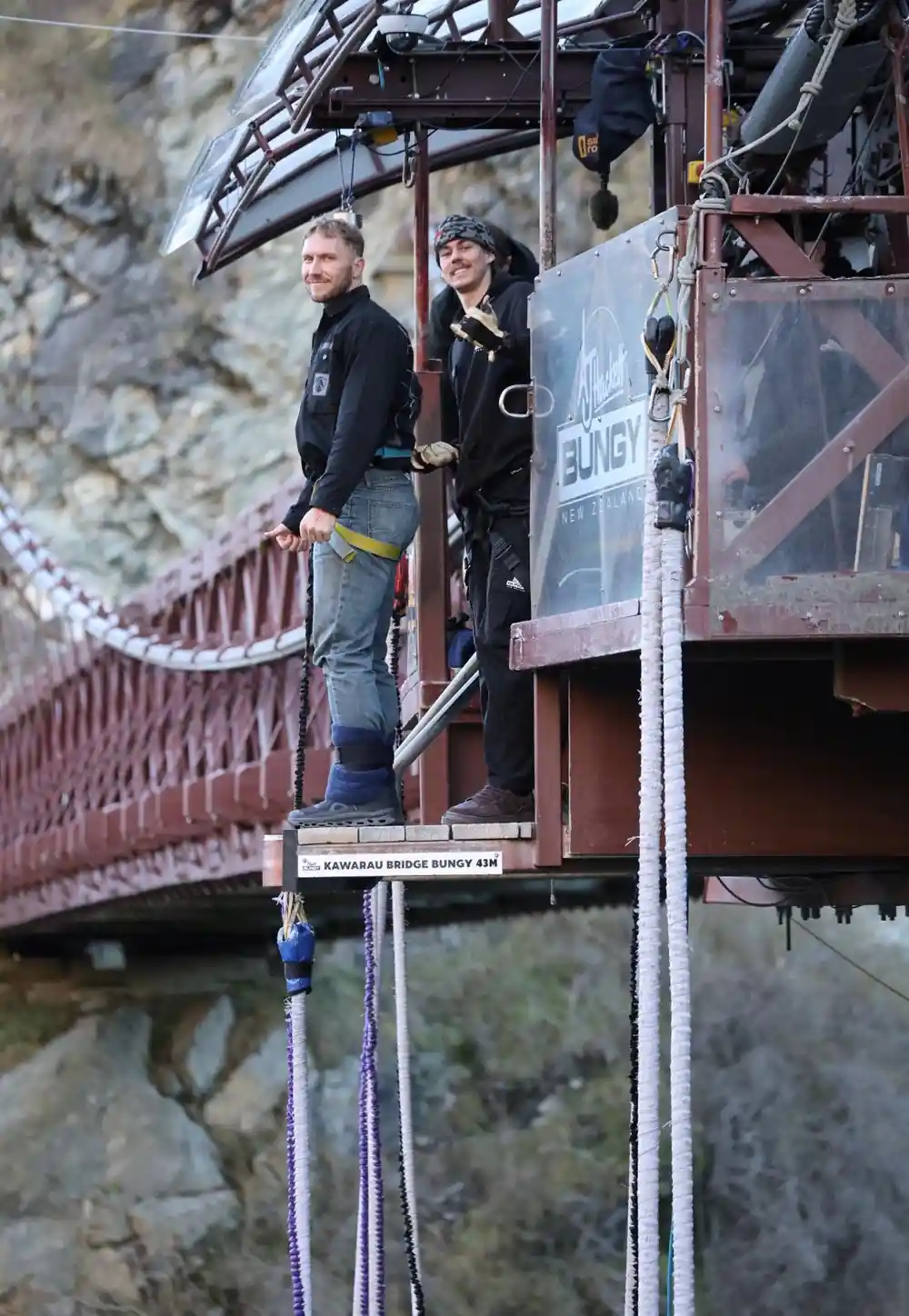
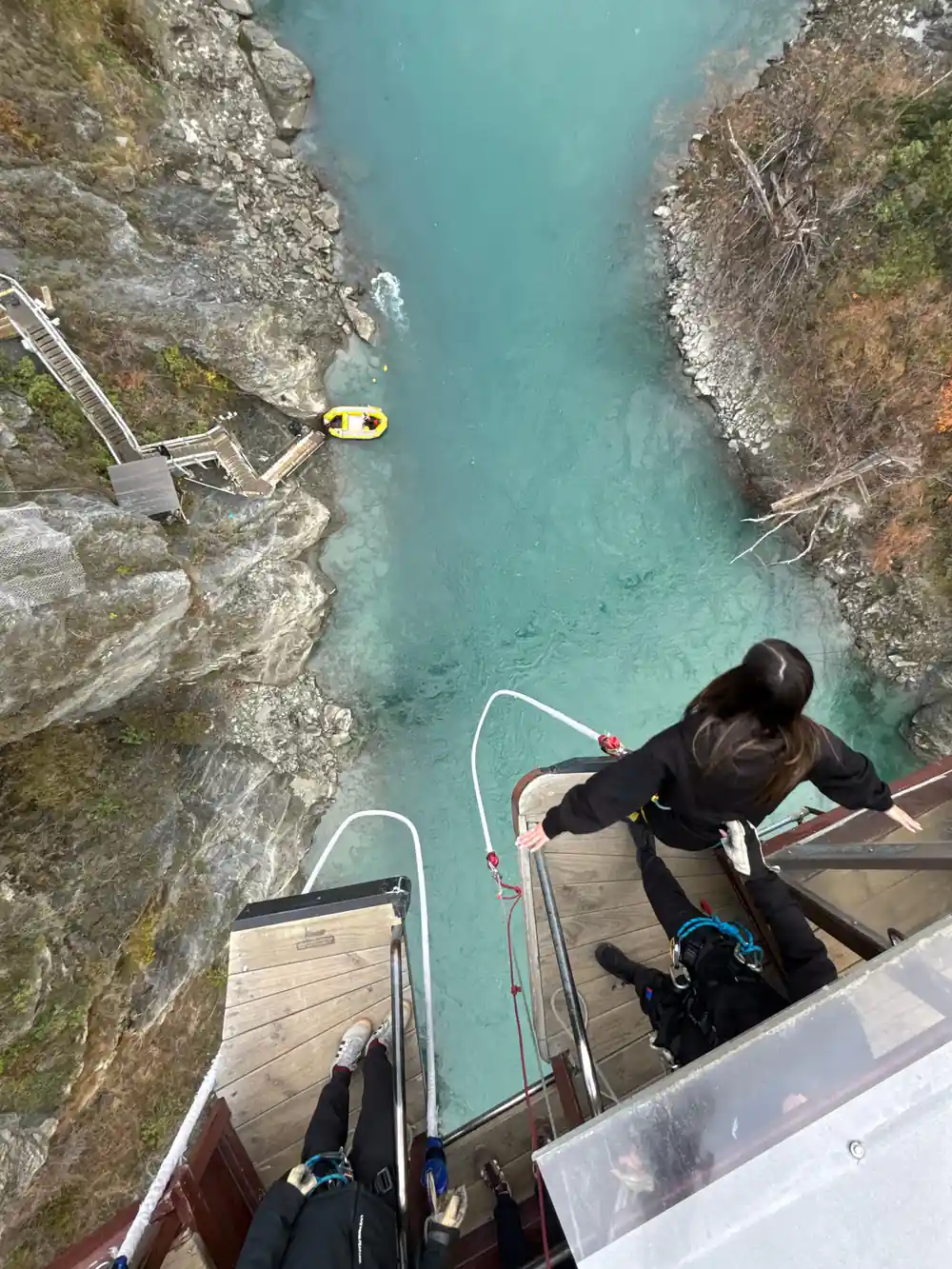
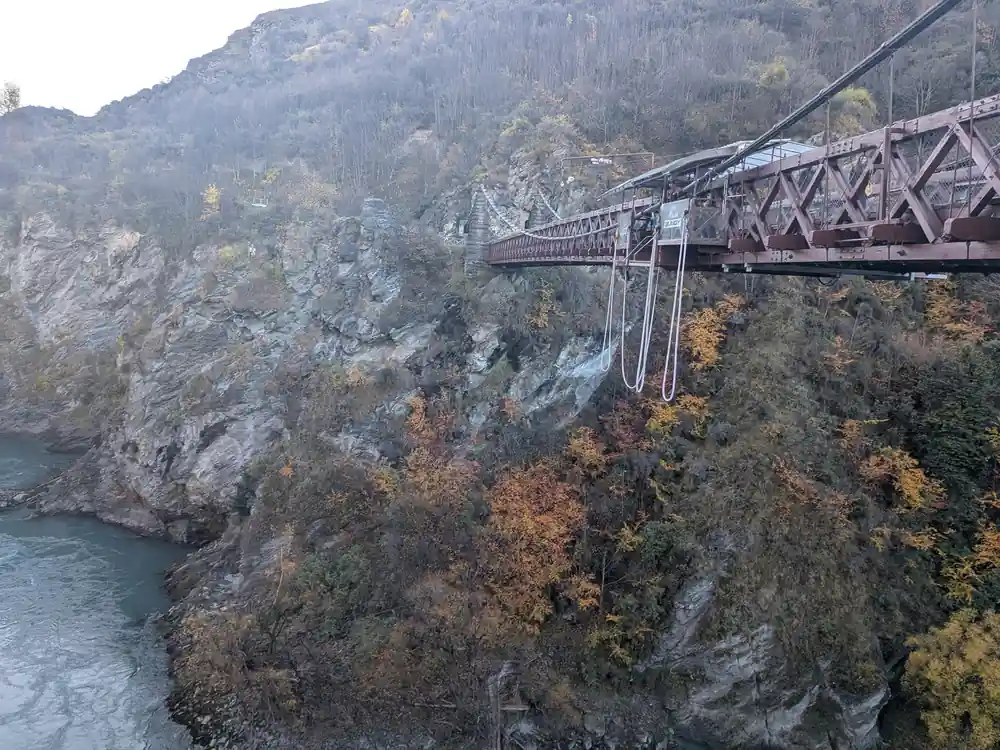
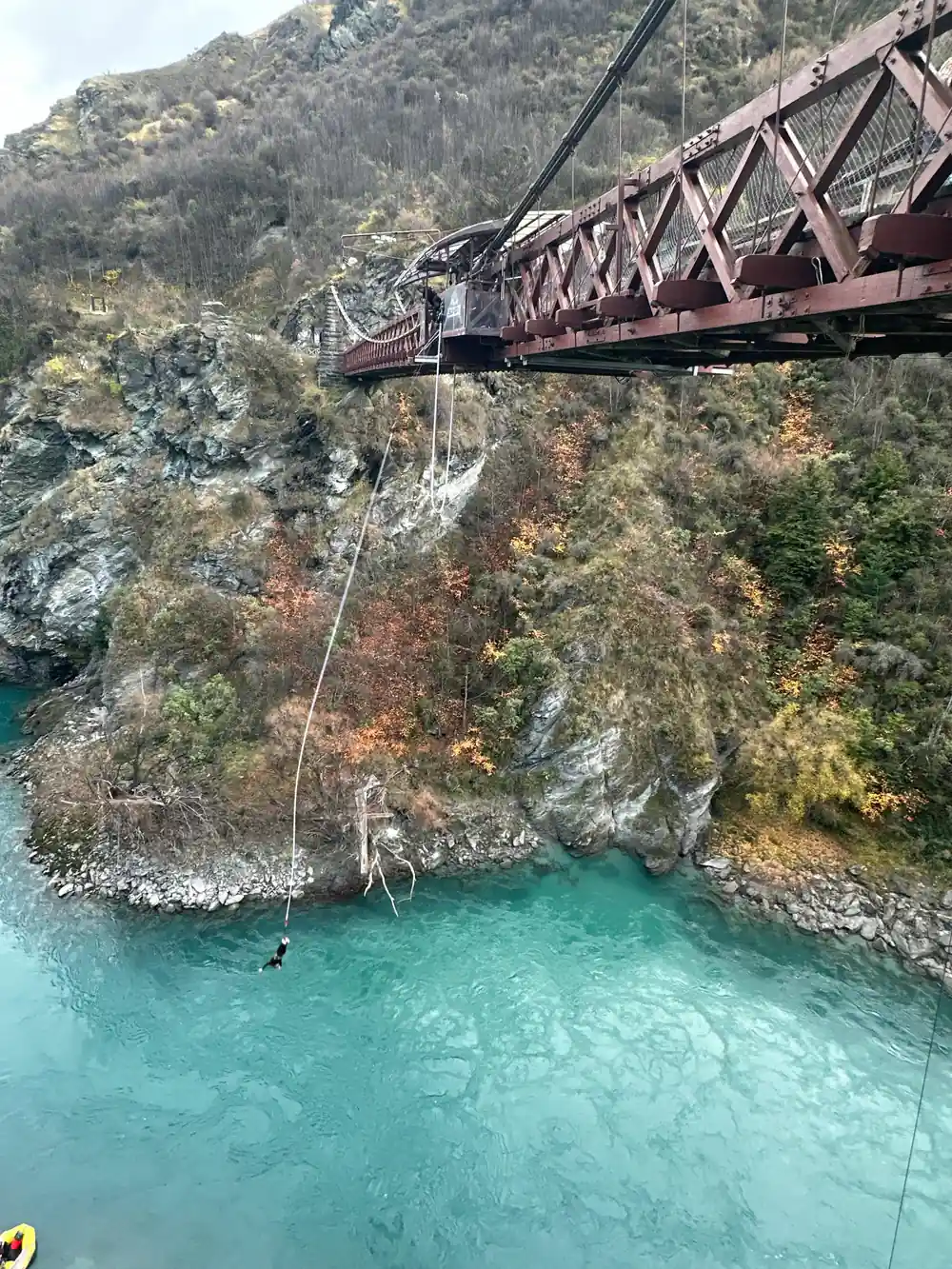
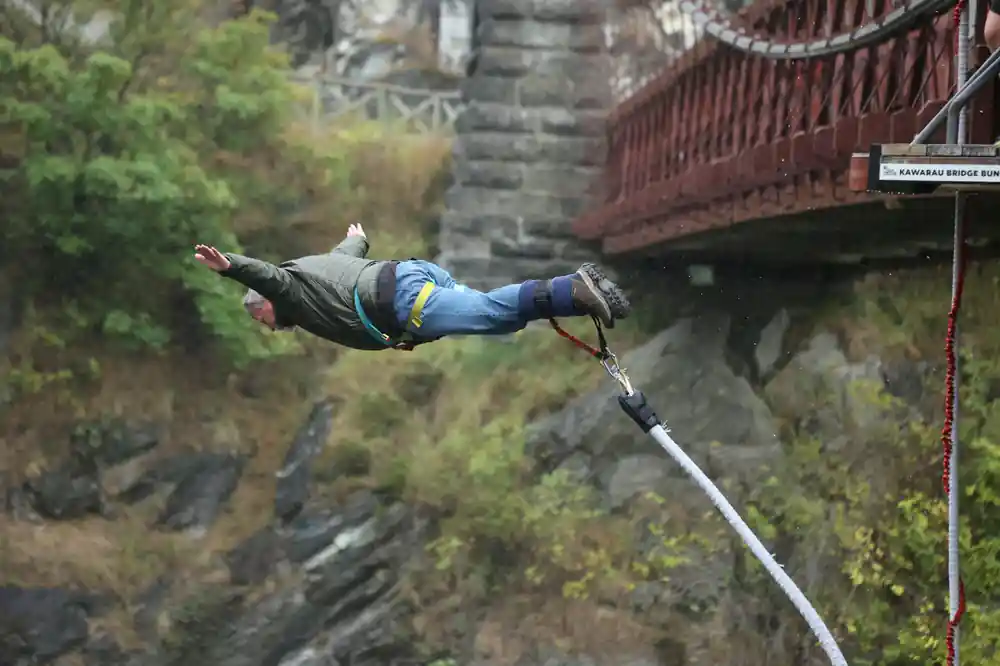
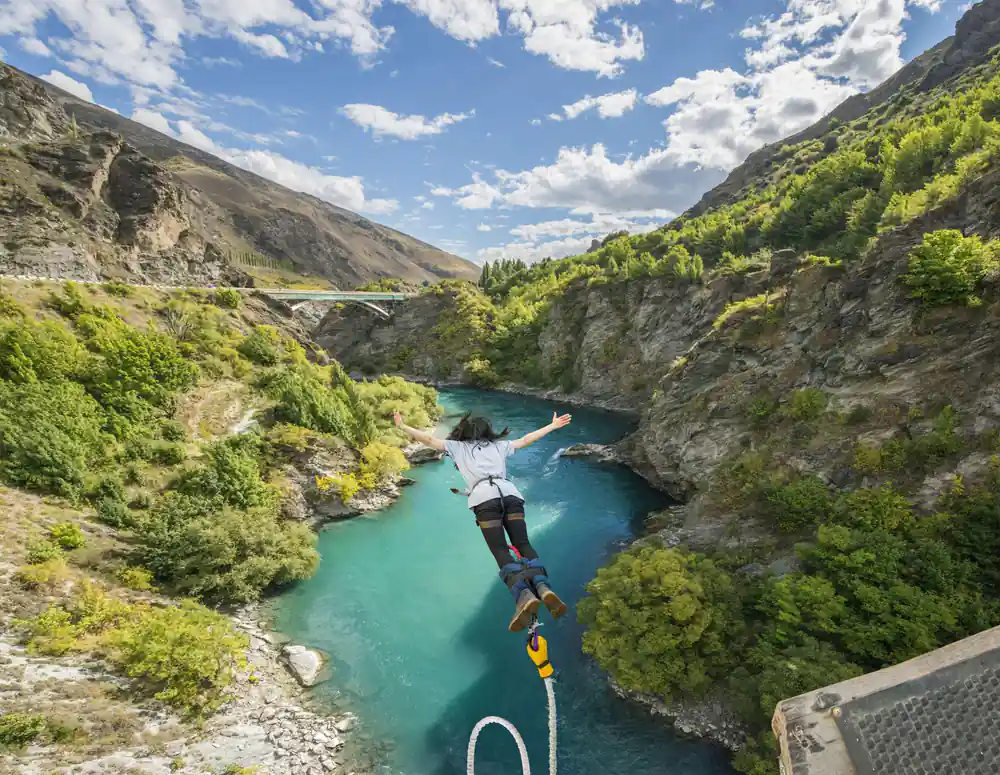
The Kawarau Bridge bungy is the original. The world's first commercial bungy jump was launched on the historic suspension bridge on 12 April 1988, 43 metres above the Kawarau River.[2] Decades later, people still queue on the same platform above the same turquoise water, and the questions that decide whether you can join them have not changed at all: how old you are, how much you weigh, and how your body copes with a fall and a bounce.
AJ Hackett publishes the numbers that decide it. The minimum age to bungy jump is 10 years old, the minimum weight is 35kg, and the maximum weight is 235kg.[1] Those three figures settle the questions people ask before they book. If you sit inside them and you are in reasonable health, the jump is usually open to you. If you sit outside them, no amount of enthusiasm will change the answer on the day.
The site is in the Gibbston Valley, around a 25-minute drive (23 km) from Queenstown via State Highway 6.[3] The tour booked from this site runs 1 to 2.5 hours and starts from US$188.[4] That window covers check-in, the weigh-in, your briefing and the jump itself, so build the rest of your day around it rather than squeezing it in between other plans.
Kawarau Bridge bungy weight limit explained
The weight limit for bungy jumping in Queenstown is the one the operator works to. At AJ Hackett the minimum weight is 35kg and the maximum weight is 235kg.[1] That is a wide range, and plenty of adults fall comfortably inside it. Weighing yourself at home before you book is worth the minute it takes, because the alternative is finding out at the counter after a drive into the gorge.
Weight here is about cord selection rather than anything personal. Crews match the bungee to the jumper, and the scale at check-in is part of the routine. If you are near either end of the range, ring the operator before you travel and ask how the day works. Do the same if you are booking with someone whose build is very different from yours, so you both know what to expect.
Dress for movement rather than for a photograph. A fitted top, leggings or shorts, and closed shoes that will not slip off are all you need. Anything loose flaps about on an exposed platform and is better left in a locker or with a friend. If your weight sits near the maximum, mention it when you book so the crew can plan the cord and your slot.
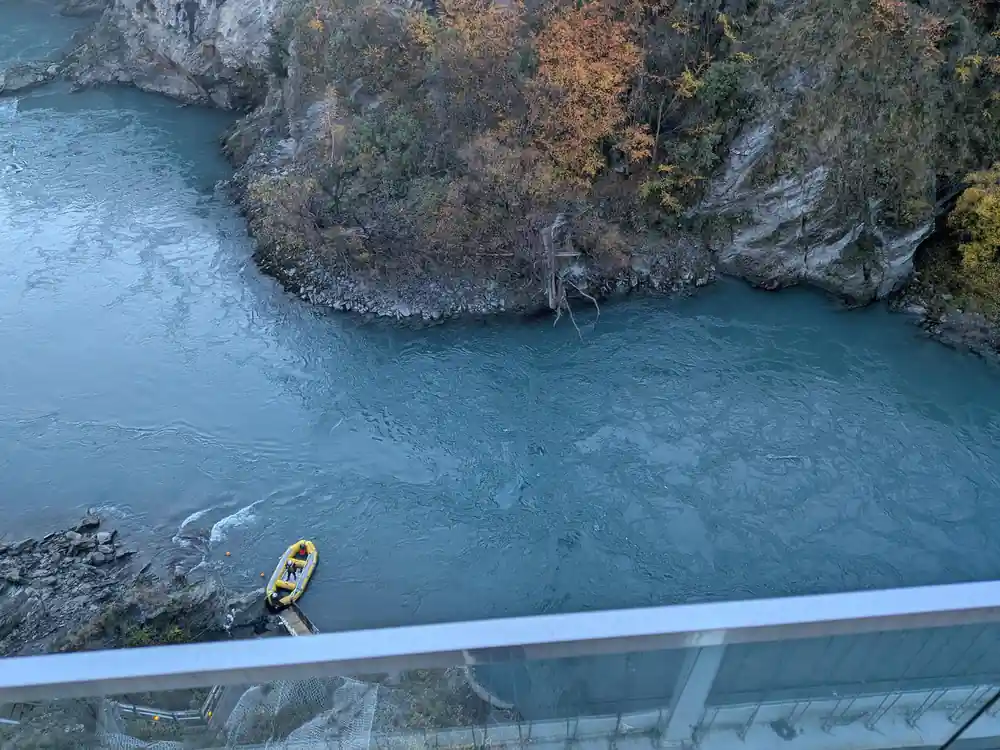
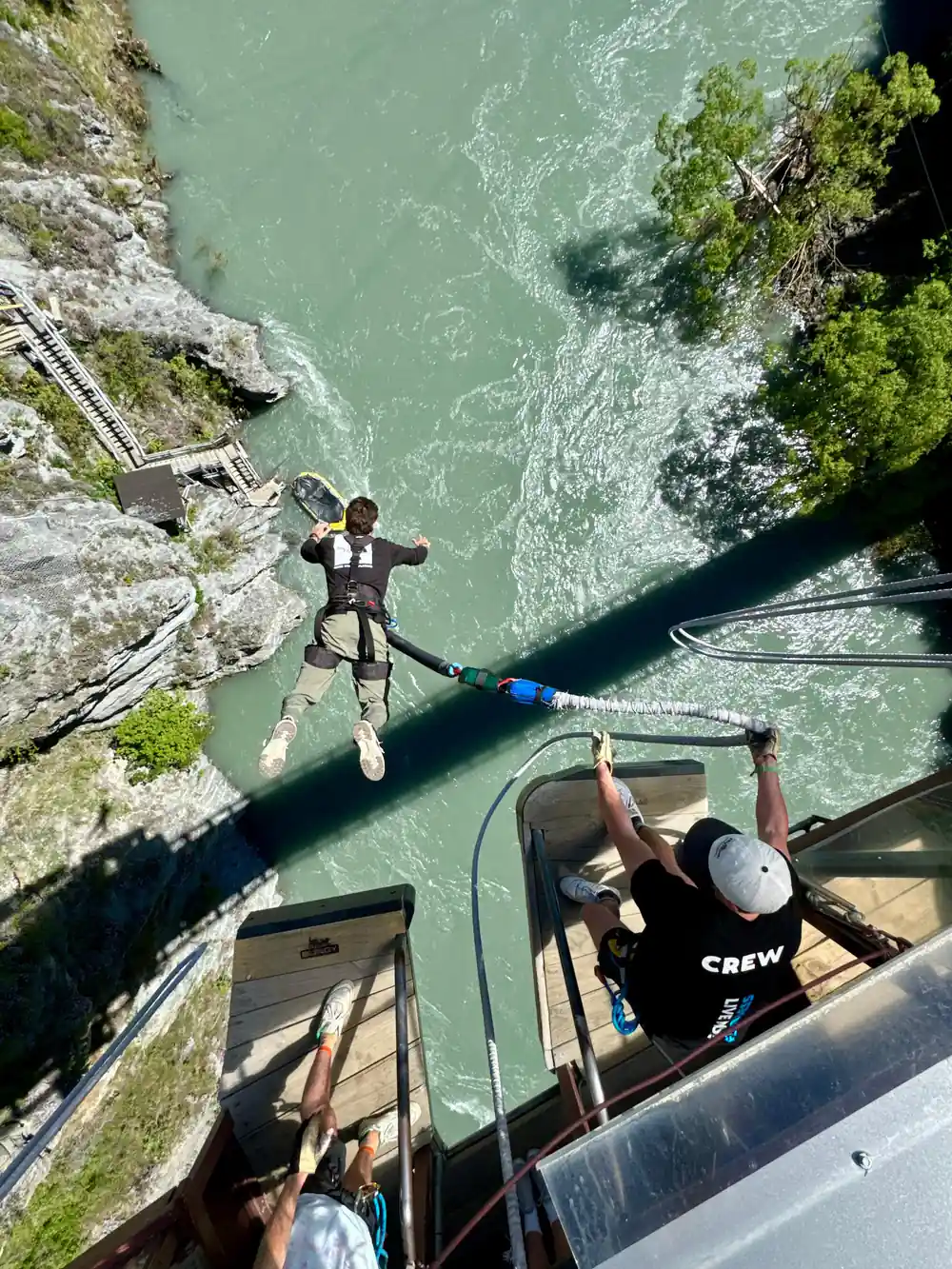
The bridge platform above the Kawarau River, where jumpers queue for their turn.
Bungy jumping Queenstown age: rules and children
The minimum age to bungy jump at AJ Hackett is 10 years old.[1] That is younger than plenty of parents guess, and it turns the bridge into a family outing as well as a bucket-list stop. The age comes with a weight condition, so a light ten-year-old still has to meet the 35kg minimum before anyone clips them on.[1]
Younger children, or anyone in the group who would rather not step off a bridge, have options at the same site. The Kawarau Zipride runs 1 to 2.5 hours and starts from US$29, with a small group limited to 6 participants and an English-speaking instructor.[7] It keeps everyone busy, and it lets nervous jumpers watch a few people go first before they decide.
Bring photo identification for everyone in the group. Ages are checked at the counter, and a passport or driving licence makes that quick. If you are booking for a mixed group, say so when you reserve, so that nobody is left standing at reception wondering whether they can take part, and so that families can plan who jumps when.
Health conditions and when to talk to a doctor
A bungy jump is a short, intense shock to the body. You fall, you bounce, and then you hang upside down while your blood redistributes, which is the part most people find hardest. Heart conditions, high blood pressure, epilepsy, back and neck injuries, diabetes, recent surgery and pregnancy are the ones worth raising with a doctor and with the operator before you book.
New Zealand takes adventure activities seriously. Bungy operators are required to be registered under the Health and Safety at Work (Adventure Activities) Regulations 2016 and must periodically pass independent safety audits.[8] That covers the operator's side. Your side is telling the truth about your health, because a crew cannot see a heart condition or a healed spinal injury from the platform.
If you take regular medication, bring it with you and mention it at check-in. If a doctor has cleared you, ask what the operator would like to see and whether a letter helps. None of this is about talking you out of the jump. It is about the crew knowing what to watch for and having a plan ready, which is exactly what you want from the people holding the cord.
from US$188
The Kawarau Bridge Bungy tour booked from this site runs 1 to 2.5 hours and is limited to 6 participants.[4]
The weigh-in and what happens at check-in
The centre is a short drive from Queenstown, around 25 minutes and 23 km via State Highway 6.[3] In summer the road through the gorge carries plenty of traffic, so leave a margin and do not treat the drive as the easy part of the day. Arriving flustered is the quickest way to make a jump feel harder than it is.
Check-in itself is quick. You confirm your booking, answer a short health questionnaire, get weighed and are fitted with a harness. The crew then explains what happens on the platform, where the camera points and where to put your feet. The tour is limited to 6 participants and runs 1 to 2.5 hours.[4] There is little standing around, and your turn comes sooner than you expect.
Wear what you would wear for a brisk walk, plus shoes that stay on your feet. Empty your pockets before you walk onto the bridge. Friends and family can watch from the viewing areas around the centre, where they get a clear view of the bounce at the bottom of the arc.
Glasses, contacts and loose items
Glasses and bungy jumps are not a comfortable pair unless they are properly secured. Contacts are usually the simpler choice, but ask the crew what you can wear or carry, and bring a strap or a case for whatever comes off before you step onto the platform. It is a short walk out and a long way down.
Loose items are the bigger problem. Phones, keys, wallets and jewellery can slip out at the worst possible moment, and anything that falls into the gorge is gone for good. Leave valuables in a locker or with whoever is holding your bag, and hand over anything you would miss before you are harnessed up.
If you want your jump on camera, ask at check-in about filming options and whether the crew allow your own device on the platform. The staff on the bridge know what is safe to carry and what is not. Sorting that out early is much better than fumbling with a phone as your name is called.
If you are unsure, ask before you book
Two simple checks decide most cases. If you are inside the published age and weight range and you can answer the health questions honestly, you can usually jump. If anything is borderline, make a call or send a message before you pay. The operator is the right person to ask, and the answer takes a minute to get.
Booking through the tour page keeps your options open while you decide. The Kawarau Bridge Bungy listing starts from US$188 and offers reserve now and pay later, with free cancellation up to 24 hours in advance for a full refund.[4] An unsettled health question does not have to cost you the booking.
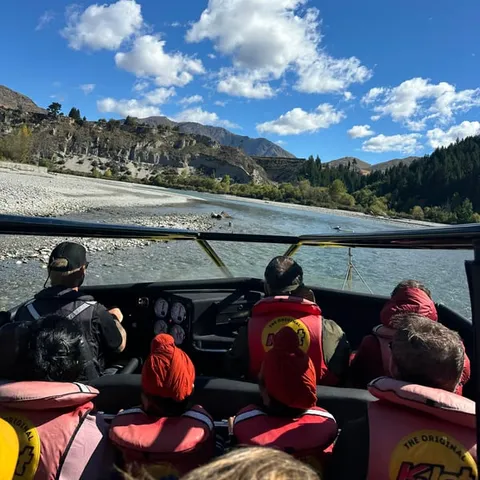
If the bridge is not right for someone in your group, the same valley has gentler ways to spend a morning. A jet boat ride on the Shotover and Kawarau rivers starts from US$87 and lasts 1 hour.[5] The Kawarau Swing starts from US$141.[9] Put the jumpers on one booking and the spectators on another, then compare stories on the drive back.
Heights of the Kawarau Bridge and Queenstown jump sites
Heights in metres for the Kawarau Bridge site and the Queenstown AJ Hackett sites named in the sources.[2][10]
Adult from-prices for the Queenstown adventure listings
Adult from-prices in US dollars for these GetYourGuide listings.[4][5][6][7][9]
When to book a Kawarau Bridge jump
Before you jump
Check the limits
The minimum age is 10 years old, and weight must be at least 35kg and no more than 235kg on AJ Hackett bungy jumps.[1]
Answer the health questions
Flag any condition, medication or recent injury when you book, and ask what the crew need from you at check-in.
Plan the drive
The centre is around a 25-minute drive (23 km) from Queenstown via State Highway 6.[3]
Expect the weigh-in
A quick weigh-in and harness fitting, then a briefing on the platform before your turn comes round.
Sort your gear
Secure your glasses, empty your pockets and leave valuables behind before you walk onto the bridge.
Ready to jump the original bridge bungy?
from US$189Reserve now & pay later