In a nutshell
- The Kawarau Bridge Bungy listing gives a duration of 1 - 2.5 hours, with free cancellation up to 24 hours in advance.[1]
- Starting times are confirmed when you check availability, so plan your day around that rather than a fixed timetable.[1]
- The gorge funnels the wind and rain arrives in quick showers, so bring layers and a light waterproof shell.
- From Queenstown it is around a 25-minute drive (23 km) via State Highway 6 to the Kawarau Bridge Bungy Centre.[2]
- The Kawarau Bridge Bungy listing is from US$188 and is rated 4.90 from 195 reviews.[1]
- Top choice Kawarau Bridge Bungy from US$188 Duration1 - 2.5 hours[1]Rating4.90 from 195 reviews[1]Group sizeLimited to 6 participants[1]CancellationFree cancellation up to 24 hours ahead[1] Check availability
- Nevis Bungy from US$232 Duration4 hours[3]Rating4.96 from 100 reviews[3]Group sizeLimited to 6 participants[3]CancellationFree cancellation up to 24 hours ahead[3] See this tour
- Nevis Canyon Swing from US$191 Duration4 hours[4]Rating4.86 from 144 reviews[4]Group sizeLimited to 8 participants[4]CancellationFree cancellation up to 24 hours ahead[4] See this tour
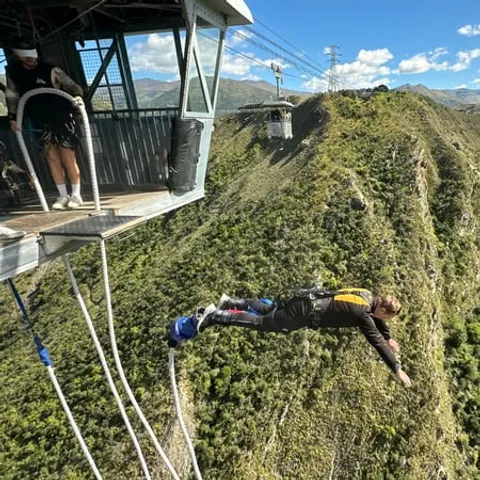
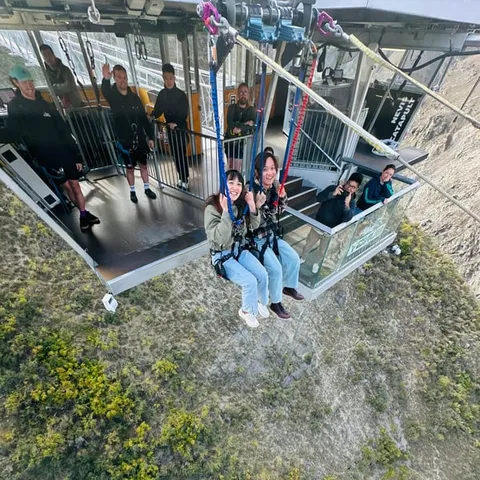
In New Zealand, bungy operators are required to be registered under the Health and Safety at Work (Adventure Activities) Regulations 2016 and must periodically pass independent safety audits.
Winter or summer, the bridge is worth it
Worth knowing first
On the day
- Layers, warm socks and a windproof shell for the bridge deck
- Sunglasses and sunblock, because the gorge light is bright even in winter
- Allow time for the drive out to the Gibbston Valley
- Arrive with time to spare so the whole morning stays relaxed
Yes, the Kawarau Bridge bungy runs in winter
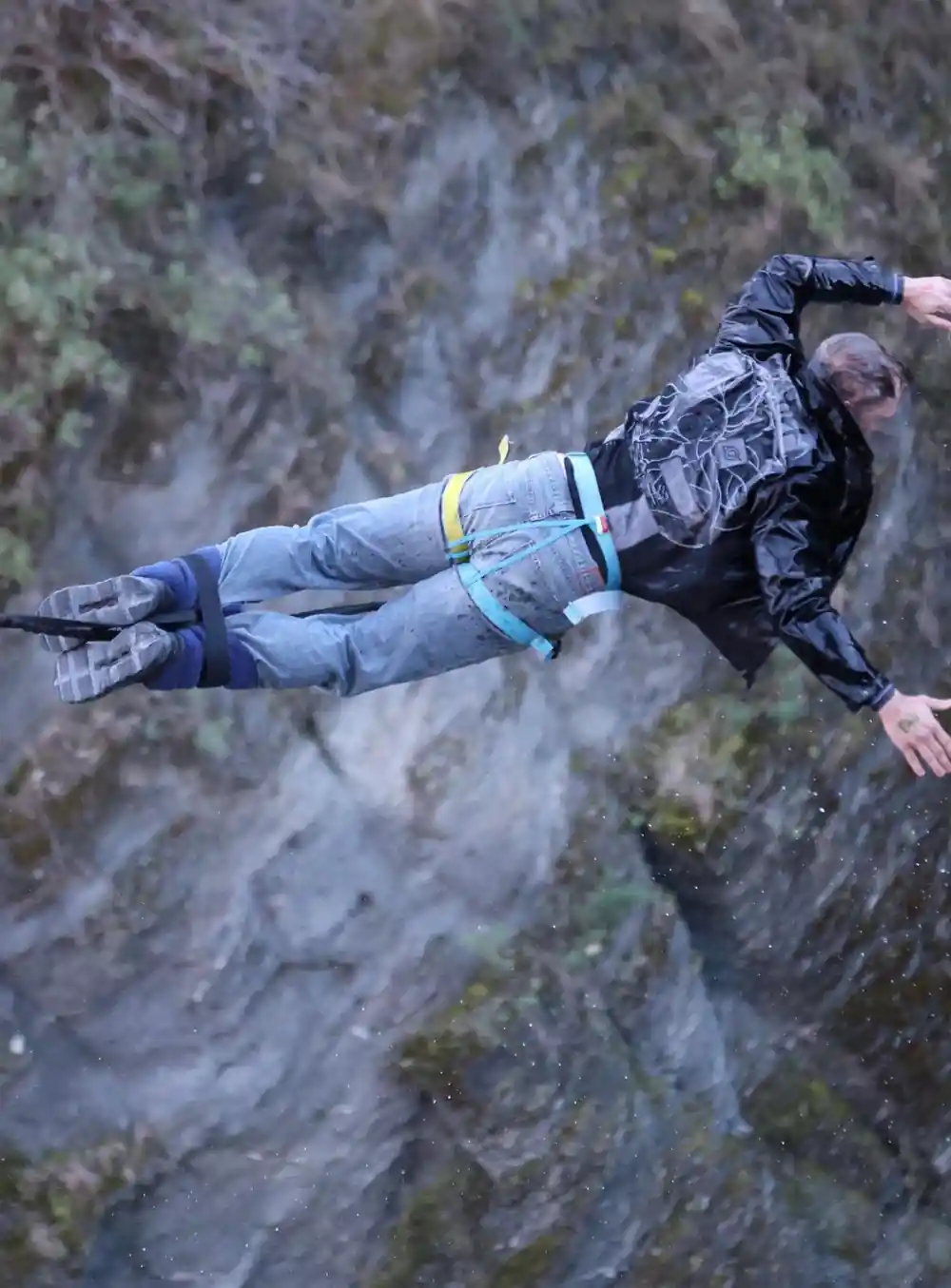
Queenstown does not fold up when the temperature drops. Winter here is a full season of skiing, snow on the Remarkables and long, clear, cold mornings, and the adventure operators around the Wakatipu basin work right through it. So, can you bungy jump in Queenstown in winter? Yes, and a winter jump has its own flavour: hard frost on the bridge deck, mist coming off the river, and a gorge that feels far wilder than it does in the heat of summer.
Start with the timing. The Kawarau Bridge Bungy listing gives a duration of 1 - 2.5 hours and says to check availability to see starting times, so your slot is set by the day you pick rather than by a printed grid.[1] The listing is from US$188, you can reserve now and pay later, and free cancellation runs up to 24 hours in advance for a full refund.[1]
For Kawarau Bridge bungy opening hours, that listing is the detail to work from: check availability to see starting times, then build the rest of your day around the slot you get.[1] Bungy jumping Queenstown opening hours work the same way, so confirm before you commit to a tight itinerary. Check the numbers for your group too: at AJ Hackett the minimum age is 10 years old, the minimum weight is 35kg and the maximum weight is 235kg.[5]
What the seasons actually feel like at the bridge
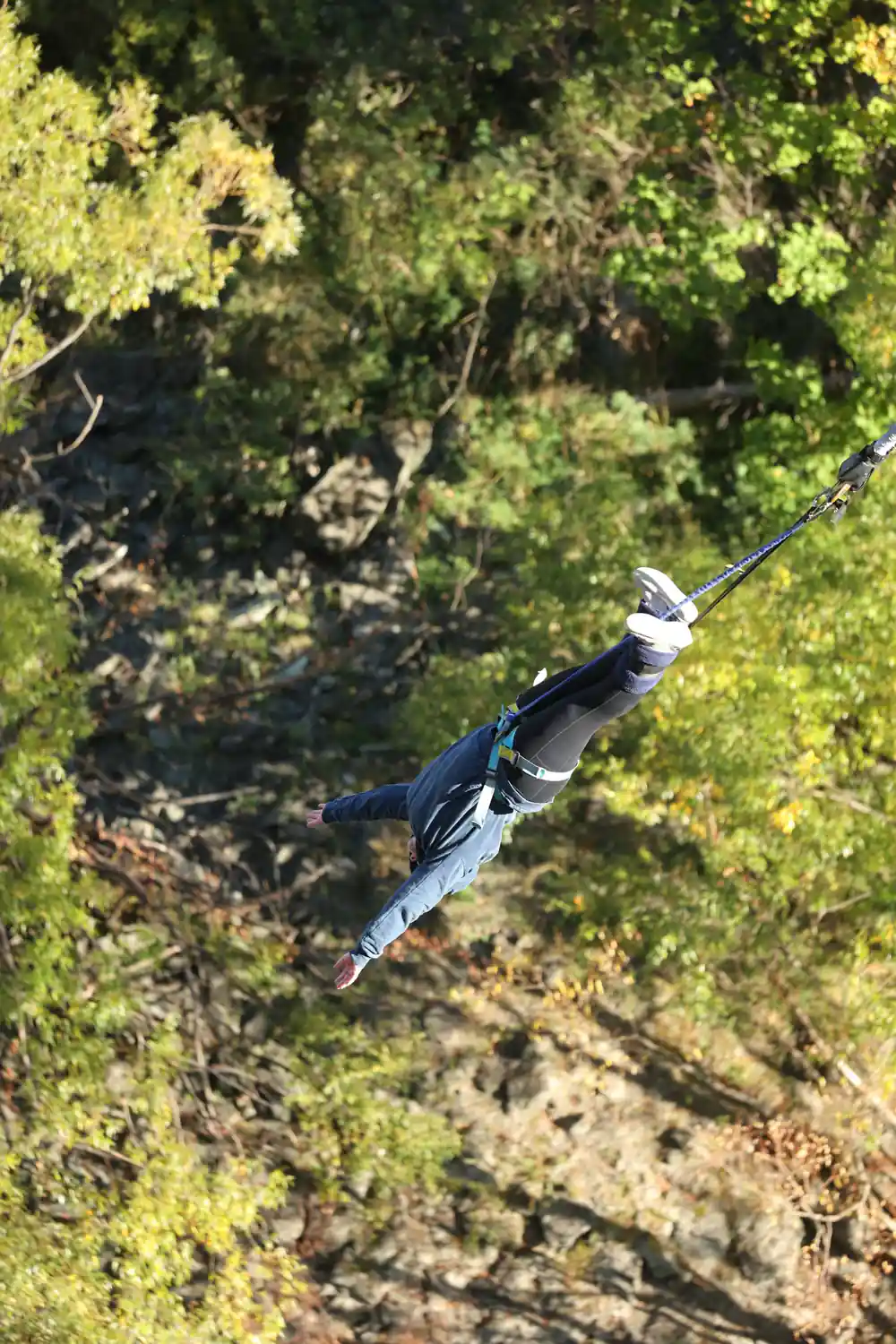
Spring arrives late in the gorge. Snowmelt feeds the river and the Kawarau runs high and loud through the Gibbston valley, the trees along the bank come into leaf, and you get crisp mornings mixed with quick showers. Summer is dry and hot, with very long daylight and a warm nor'westerly that pushes down the valley before the afternoon cloud builds over the peaks. Autumn is the calm one: still days, golden trees along the river, and water that turns a deeper blue.
Kawarau Bridge weather in winter means hard frosts, often brilliant sunshine, and shade in the gorge that never quite warms up. Kawarau Gorge suspension bridge weather can flip inside an hour when a front crosses the mountains, so dress for the coldest moment of your day and treat anything warmer as a bonus. Layers beat one heavy jacket, because you will spend time standing on the bridge before and after your jump.
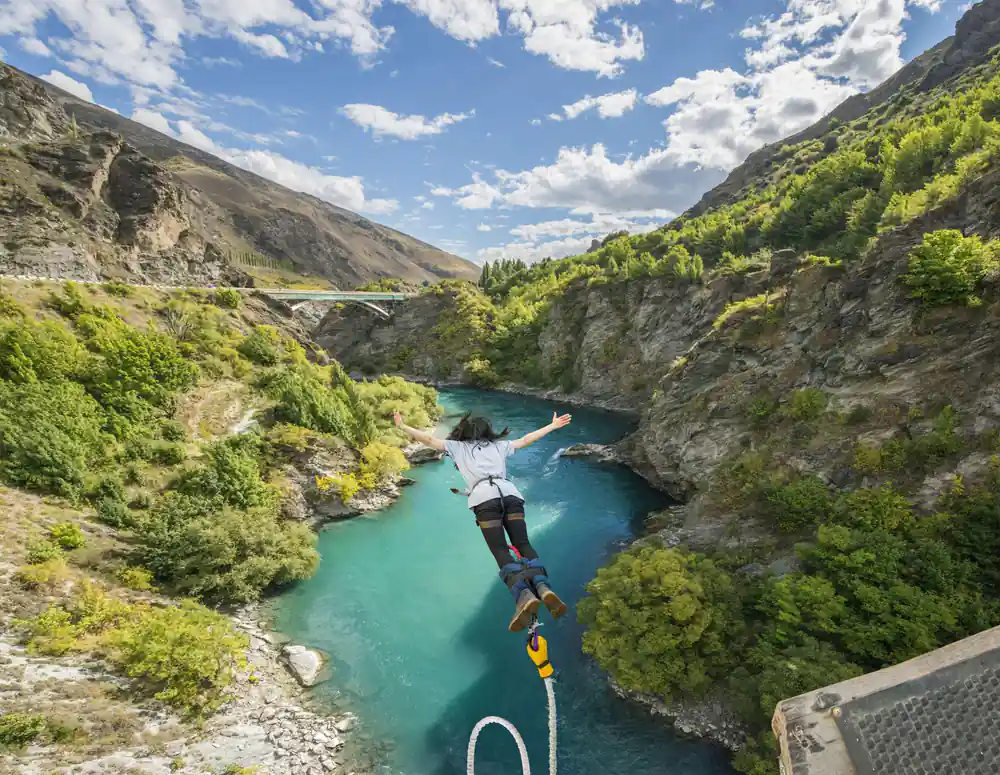
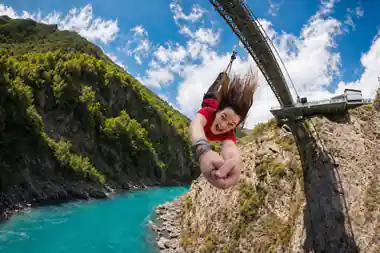
The historic Kawarau Bridge suspension span, seen from the bank above the river.
Rain: what it means for your jump
Rain in Central Otago usually arrives as a short, sharp shower rather than a washed out day. The bridge is open to the sky, so you will feel whatever is falling, and a lightweight waterproof over your layers is worth more than an umbrella. Choose clothing that dries fast, and take care on wet decking and rock, which get slick.
The river below changes character with the weather. After rain it carries more sediment and runs a cloudy grey-green; on a settled day it is clear and turquoise over the stones. Rain also brings mist that hangs low in the gorge, which looks wonderful from the bridge and is hard to capture from the viewing areas. Either way the view holds up, with the historic suspension bridge and the rock walls right there in front of you.
Wind in the gorge, which is the real one
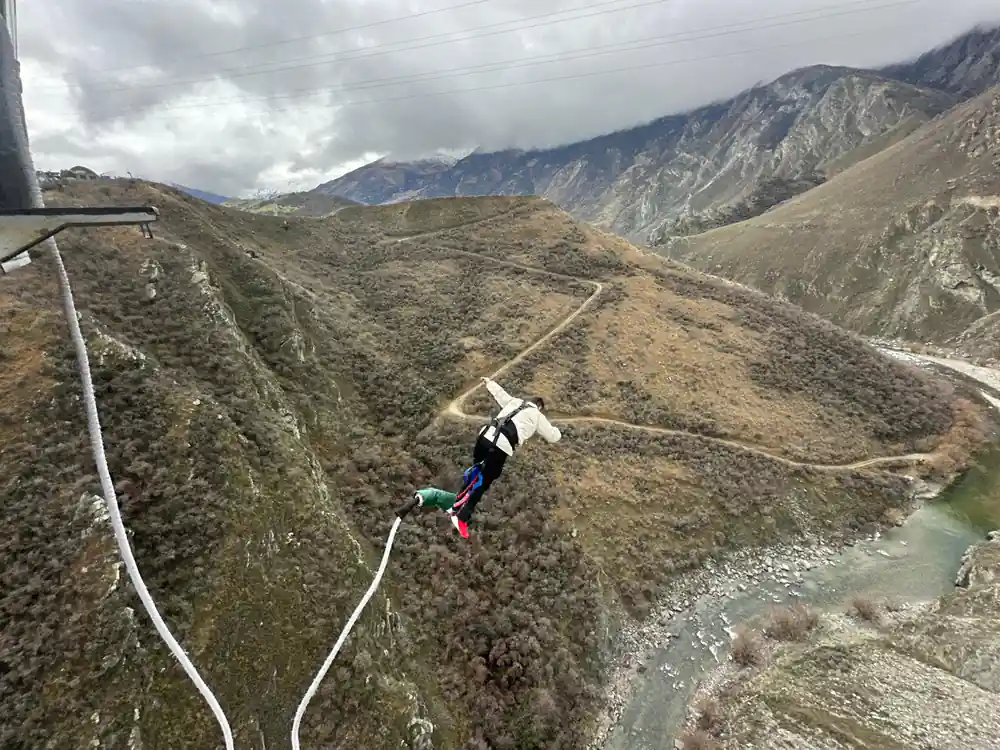
Wind is the weather to watch here. The Kawarau Gorge works like a funnel, so a breeze that feels mild in Queenstown can be a solid push on the bridge deck, and the air moving past you as you fall carries the chill with it. That is the difference between a pleasant winter morning and a genuinely cold one, and it is not something a town forecast captures well.
You cannot pick the wind, so plan around it instead. Watch the forecast in the days before, arrive with time to spare, and know your options: the listing allows free cancellation up to 24 hours in advance for a full refund.[1] If conditions change on the day, speak to the operator about moving your slot rather than guessing at what happens next. Jumps have been running off this bridge since the world's first commercial bungy jump on 12 April 1988.[6]
43 metres
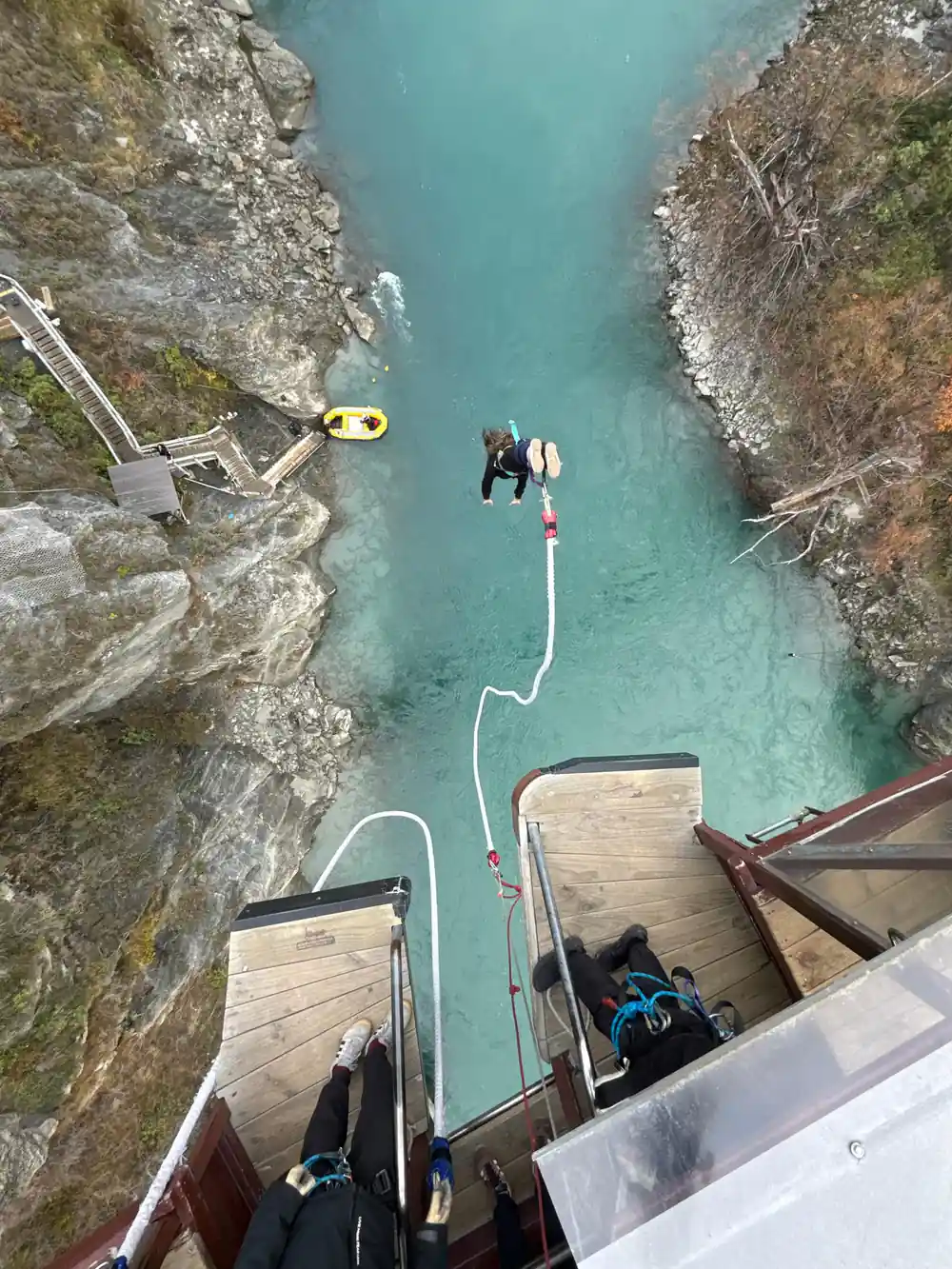
The Kawarau Bridge site stands 43 metres above the water, and the world's first commercial bungy jump launched there on 12 April 1988.[6]
How cold the Kawarau River water is
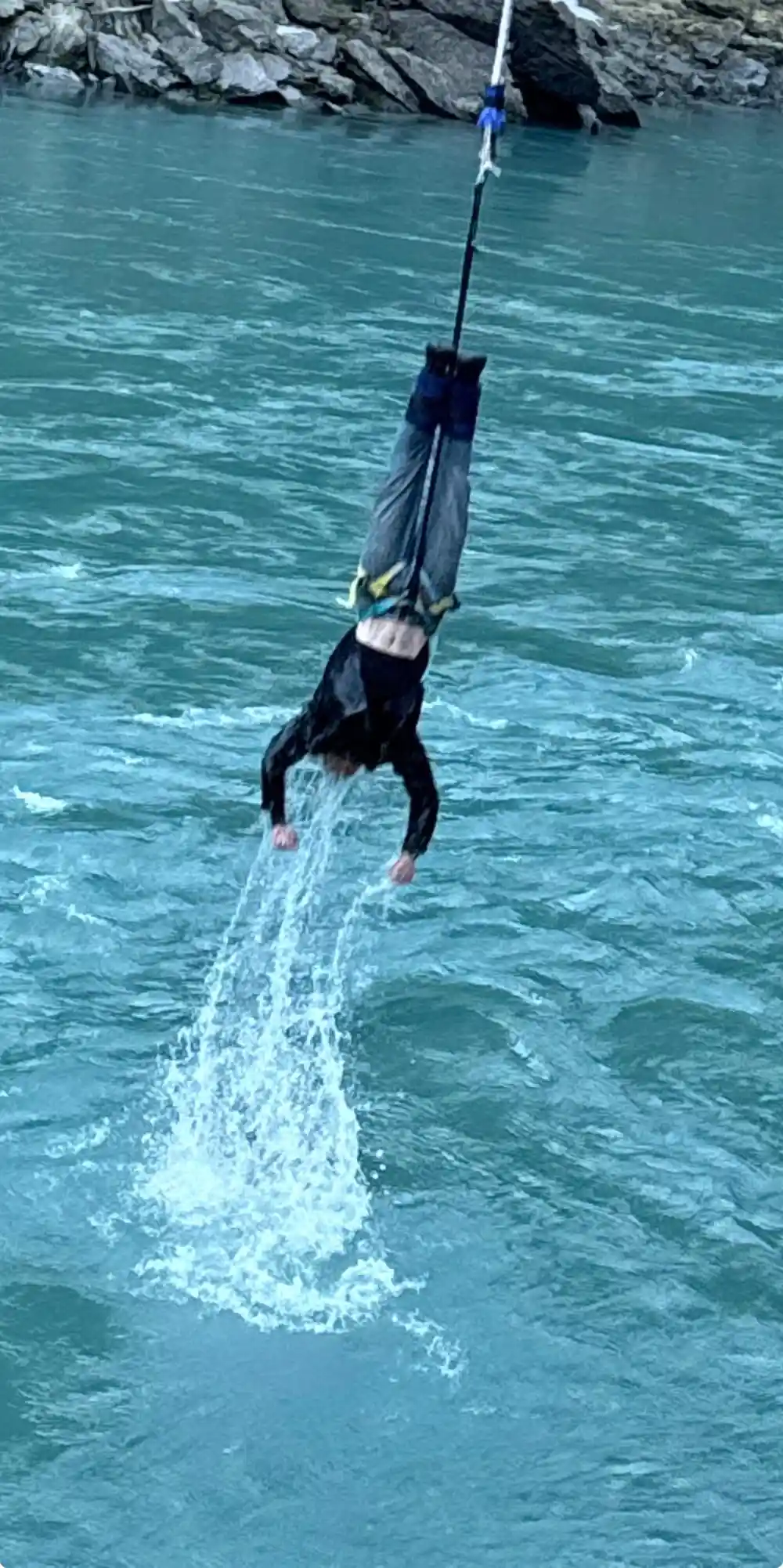
The Kawarau is fed by snowmelt and stays cold all year. Even on a hot Central Otago afternoon the water below the bridge has a bite that most people do not expect, and the colour, a deep green-blue, tells you where it has come from. The site sits 43 metres above the water, which gives you a long look at that surface on the way down.[6]
This is a serious piece of water rather than a shallow stream. It is much deeper and bigger than it looks from the road, flowing through Central Otago vineyards, and the rafting trip on the Kawarau ends with a 400 meter long, grade 3/4 rapid.[7] Watching the river from the bridge gives you a good sense of how much push it carries.
When it is busy, and how to time your slot
Queenstown welcomed 412,897 international visitors in 2024.[8] The bridge carries its own history too: by 1994, 100,000 jumps had been completed at Kawarau Bridge.[9]
Groups on the Kawarau Bridge Bungy listing are limited to 6 participants, so slots are finite and the most convenient times go first.[1] School holidays, long weekends and the winter ski season are the crunch points. If your date is fixed, book early and stay flexible about the hour; if you have room to move, a midweek morning is usually the easiest to secure.
Plan the drive as part of the booking. From Queenstown, the Kawarau Bridge Bungy Centre is around a 25-minute drive (23 km) via State Highway 6, so a morning slot means leaving town with enough time to park, check in and get kitted up.[2] Gibbston's vineyards and the gorge itself make an easy afternoon once you are back on solid ground.
If your jump is cancelled or conditions change
Mountain weather does what it likes, and the sensible approach to a bungy day is to treat it as movable. Hold a slot, watch the forecast, and keep one alternative in mind. The listing offers free cancellation up to 24 hours in advance for a full refund, which keeps a change of plan simple.[1]
New Zealand takes adventure safety seriously. Bungy operators are required to be registered under the Health and Safety at Work (Adventure Activities) Regulations 2016 and must periodically pass independent safety audits.[10] If a slot does not go ahead, the crew will talk you through what happens next, and it is worth asking about other times while you are still in the gorge.
Queenstown is generous with alternatives. The Kawarau Zipride runs on the same site, from US$29, and the Shotover and Kawarau jet boat ride is from US$87.[11][12] The zipride is 130m long and reaches a highest speed of 60 km/h according to AJ Hackett's team.[13] Rafting on the Kawarau is another way to use the hours you had set aside, from US$146.[14]
Heights above the water at the Queenstown bungy sites
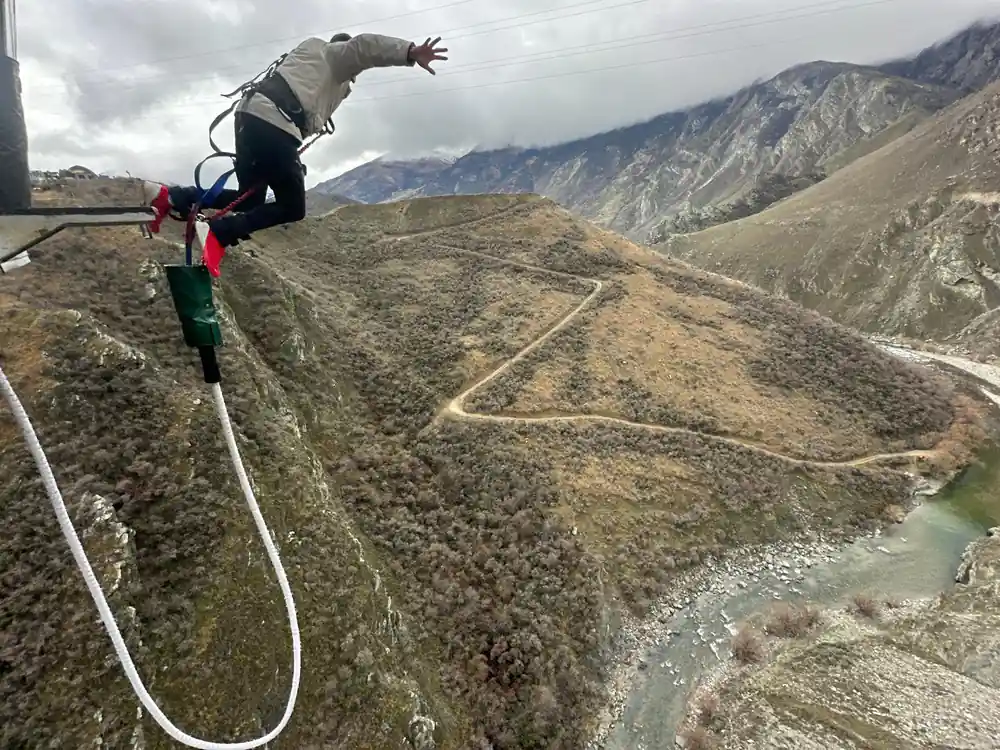
Kawarau Bridge stands 43 metres above the water[6]; in the Queenstown area the Ledge site is 47m and the Nevis site is 134m[15].
From prices for a Kawarau day out
From prices from the GetYourGuide listings: Kawarau Bridge Bungy US$188[1], Kawarau Bungy & Swing Combo US$270[16], Kawarau Zipride US$29[11], Nevis Canyon Swing US$191[4], jet boat US$87[12].
When to book your Kawarau Bridge jump
Plan your bungy day
Pick your season
Winter frost and summer heat both land on the same bridge, and each season tastes different.
Check availability
The listing says to check availability to see starting times, so choose your date around a slot you can get.[1]
Book flexible
Reserve now and pay later, with free cancellation up to 24 hours in advance for a full refund.[1]
Plan the drive
From Queenstown it is around a 25-minute drive (23 km) via State Highway 6.[2]
Dress for two seasons
Layers, a windproof shell and shoes with grip, since the bridge deck can be frosty in the morning.
Leave time after
Gibbston's vineyards and the gorge viewpoints are a short hop from the bridge.
Ready to jump the original Kawarau Bridge site?
from US$189Reserve now & pay later