









What the jump is
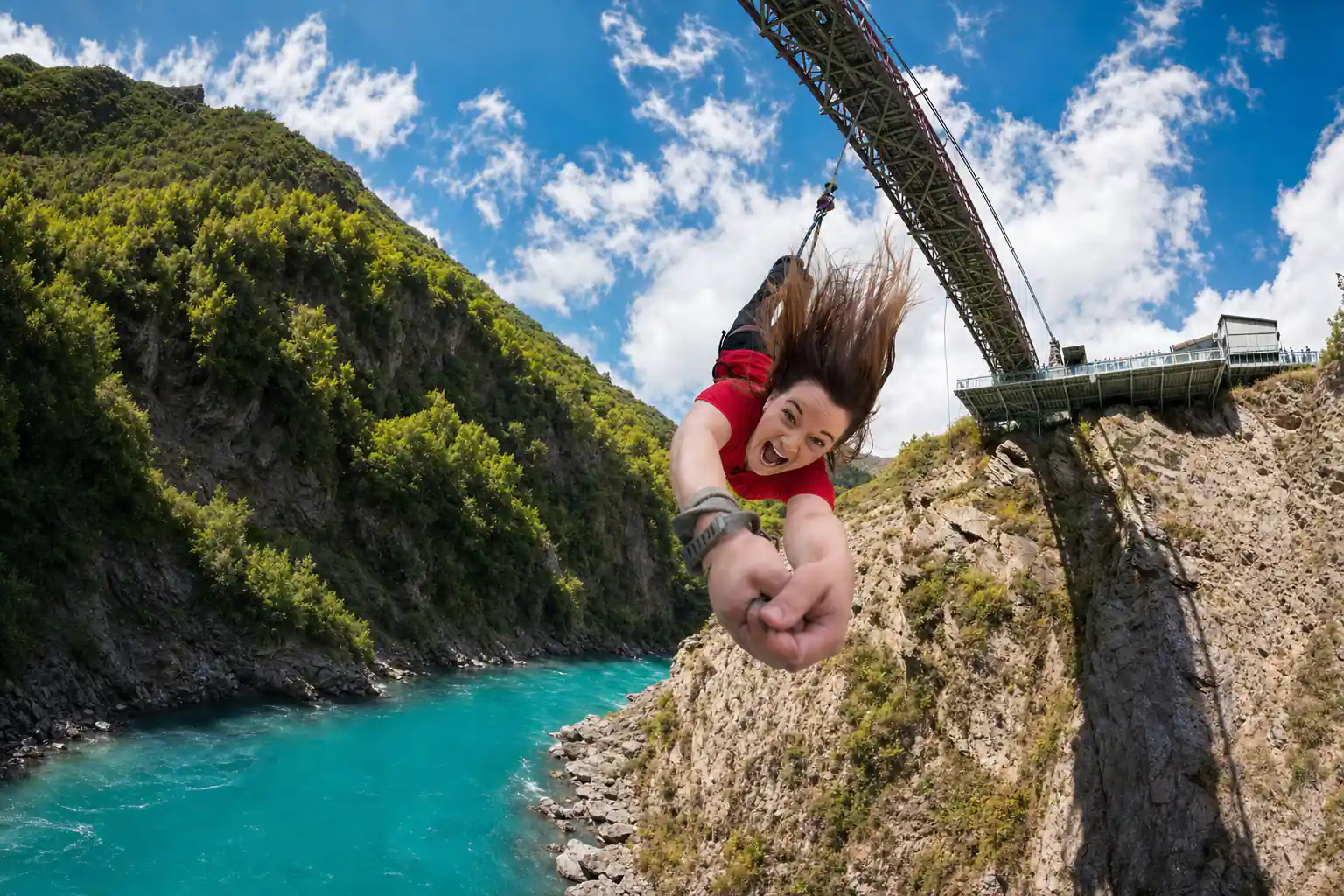
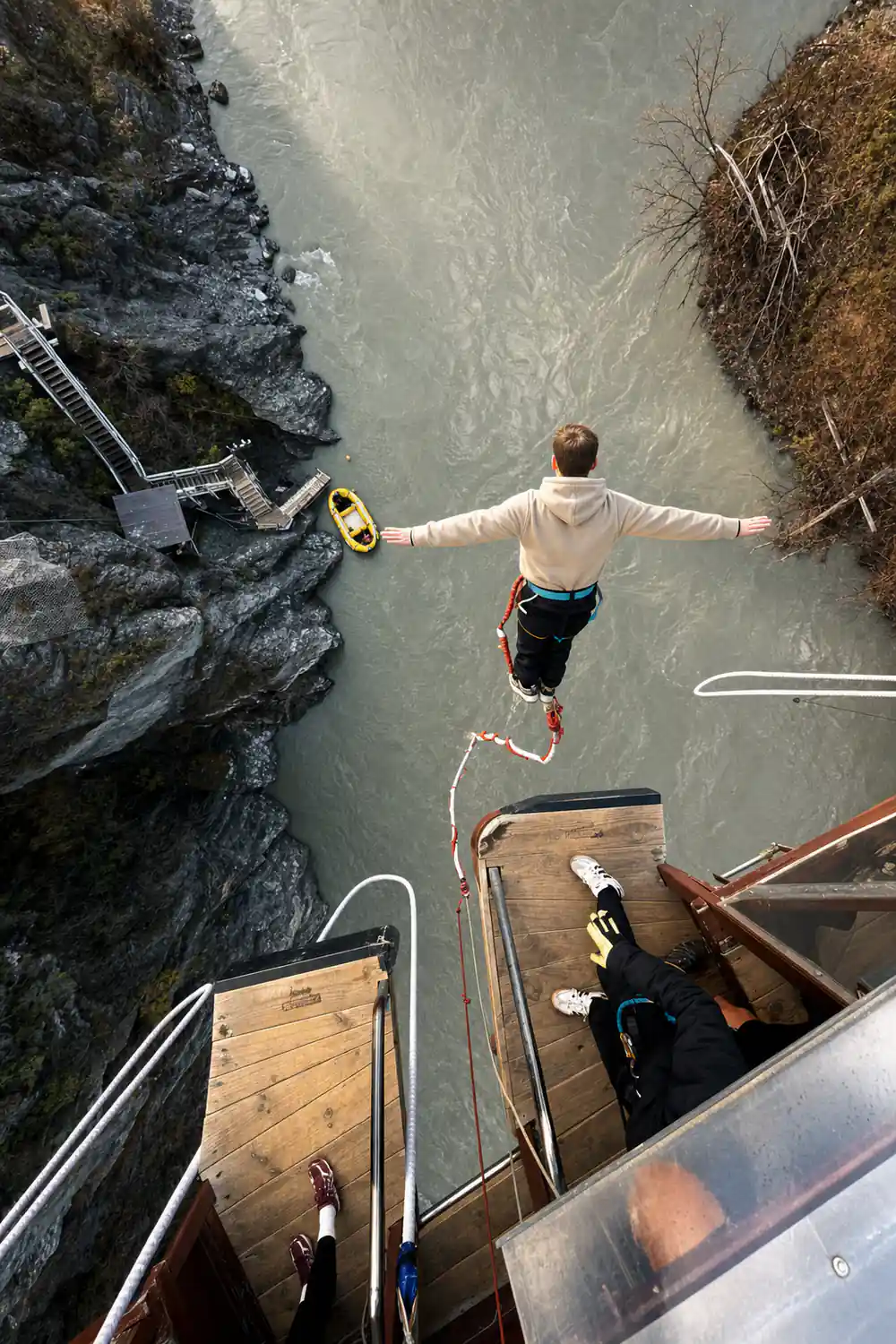
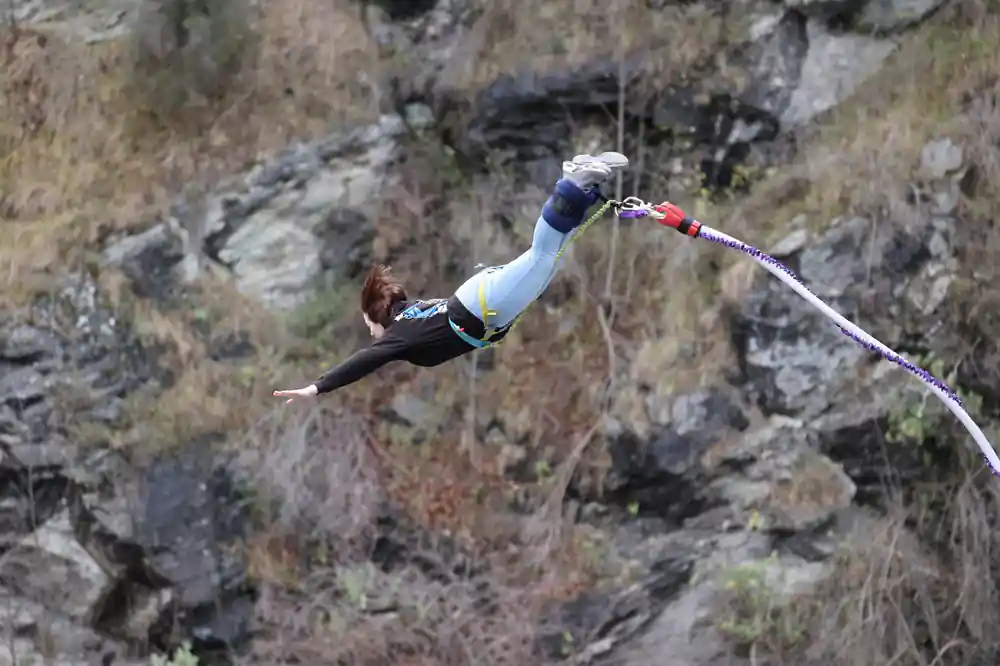
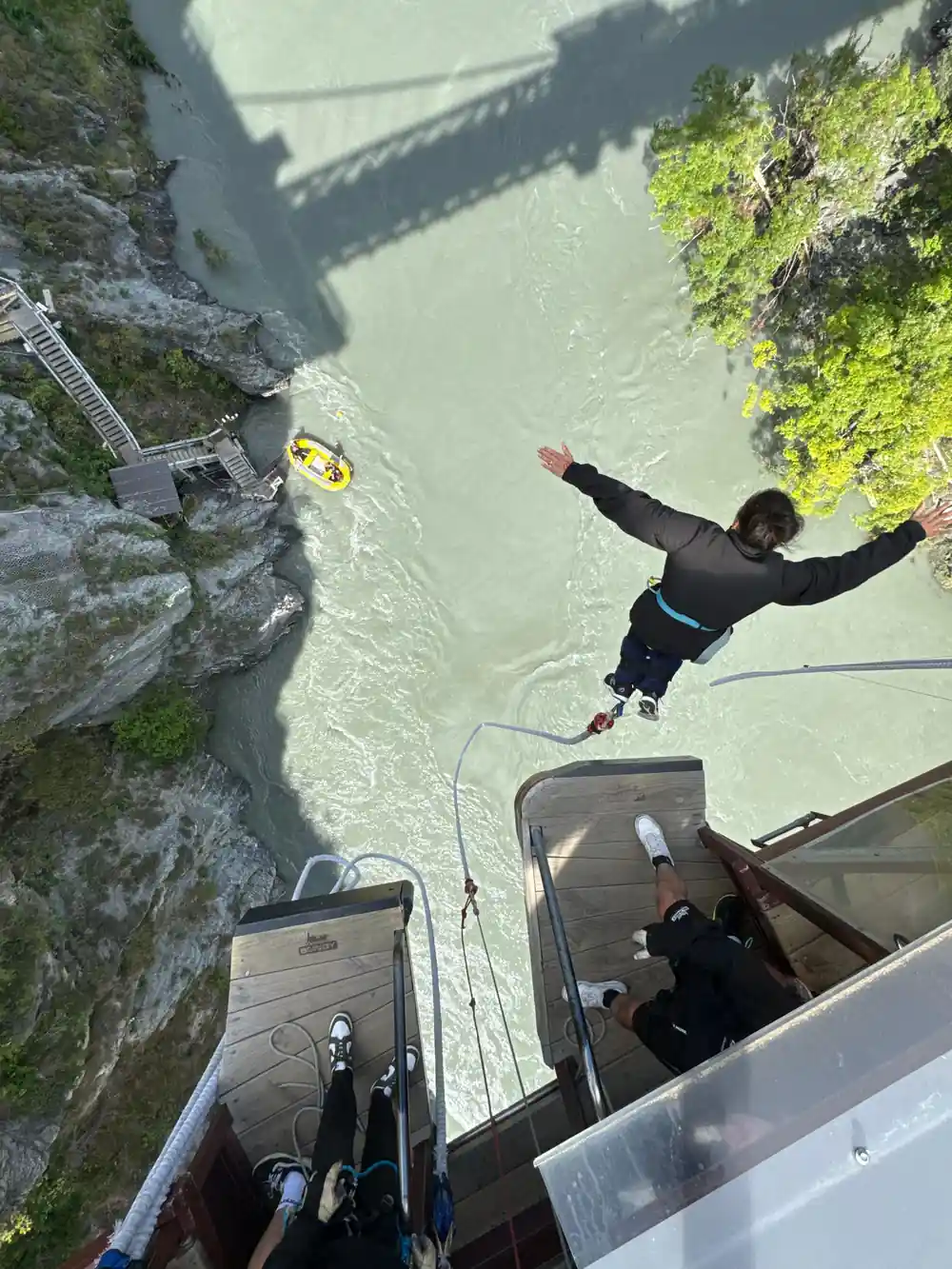
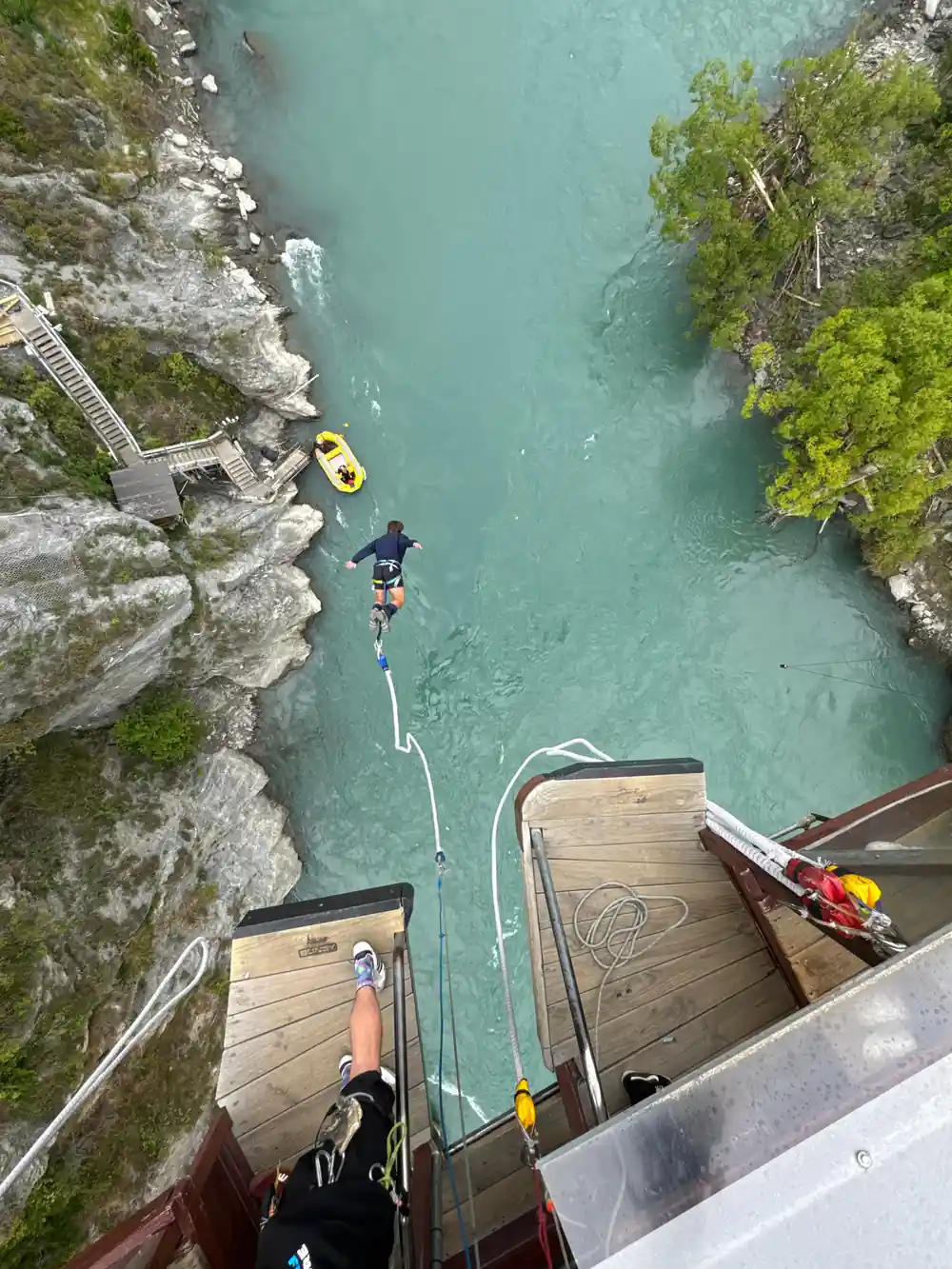
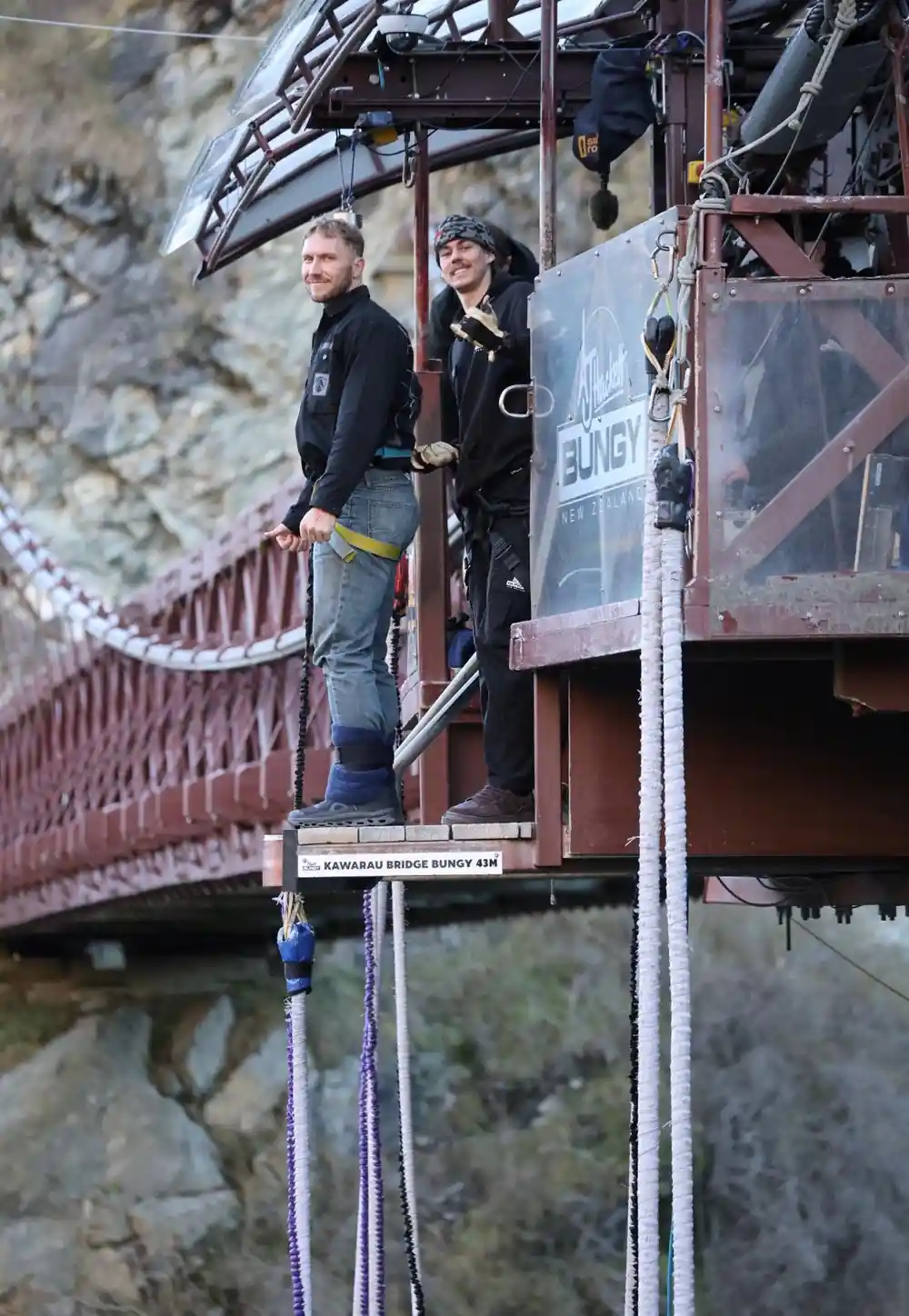
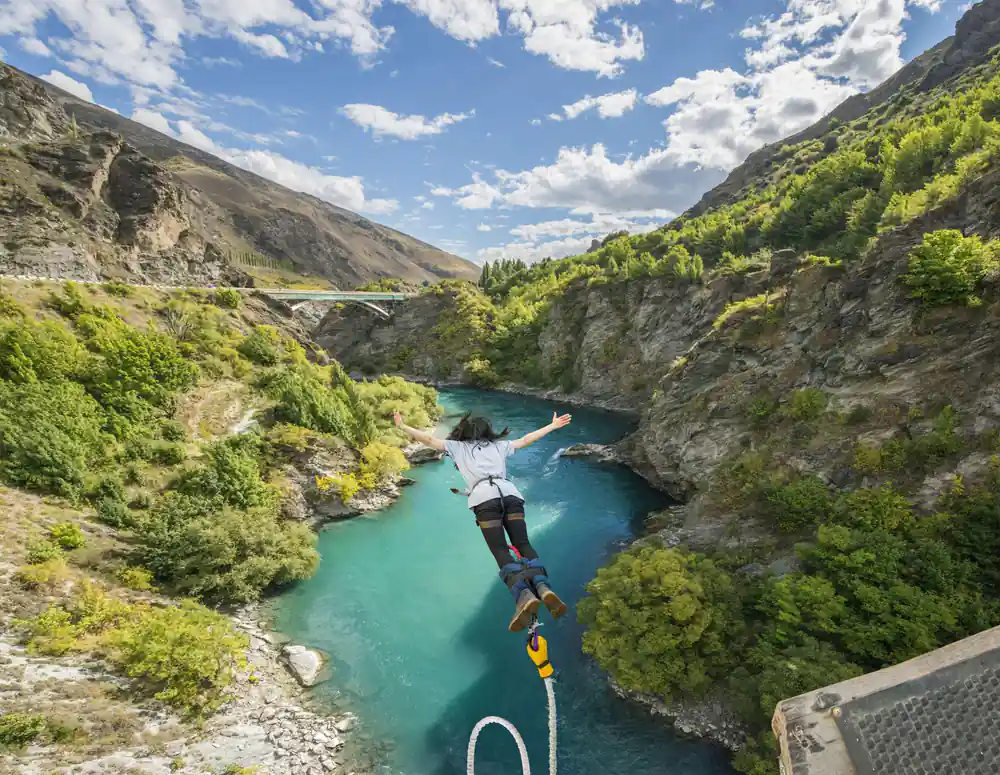
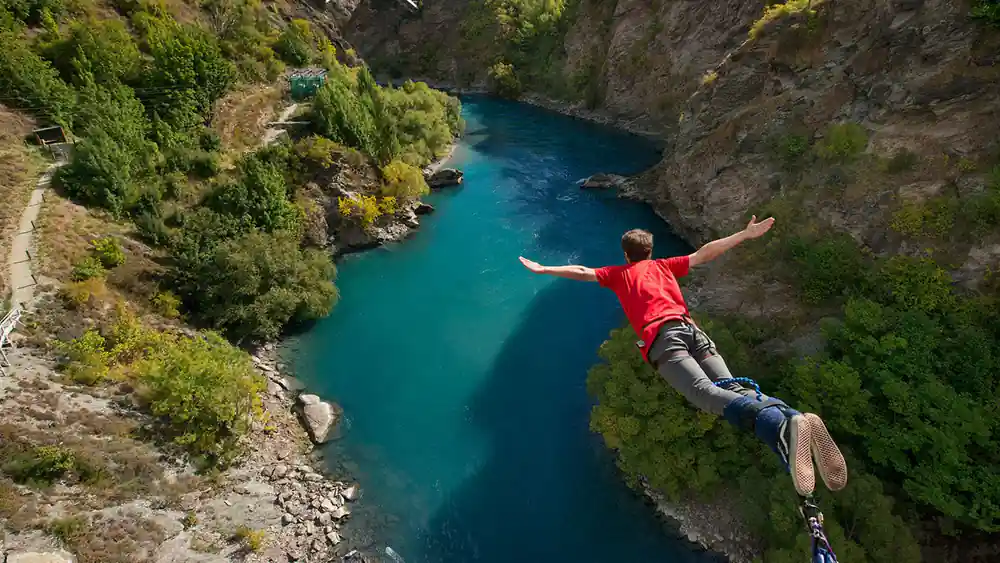
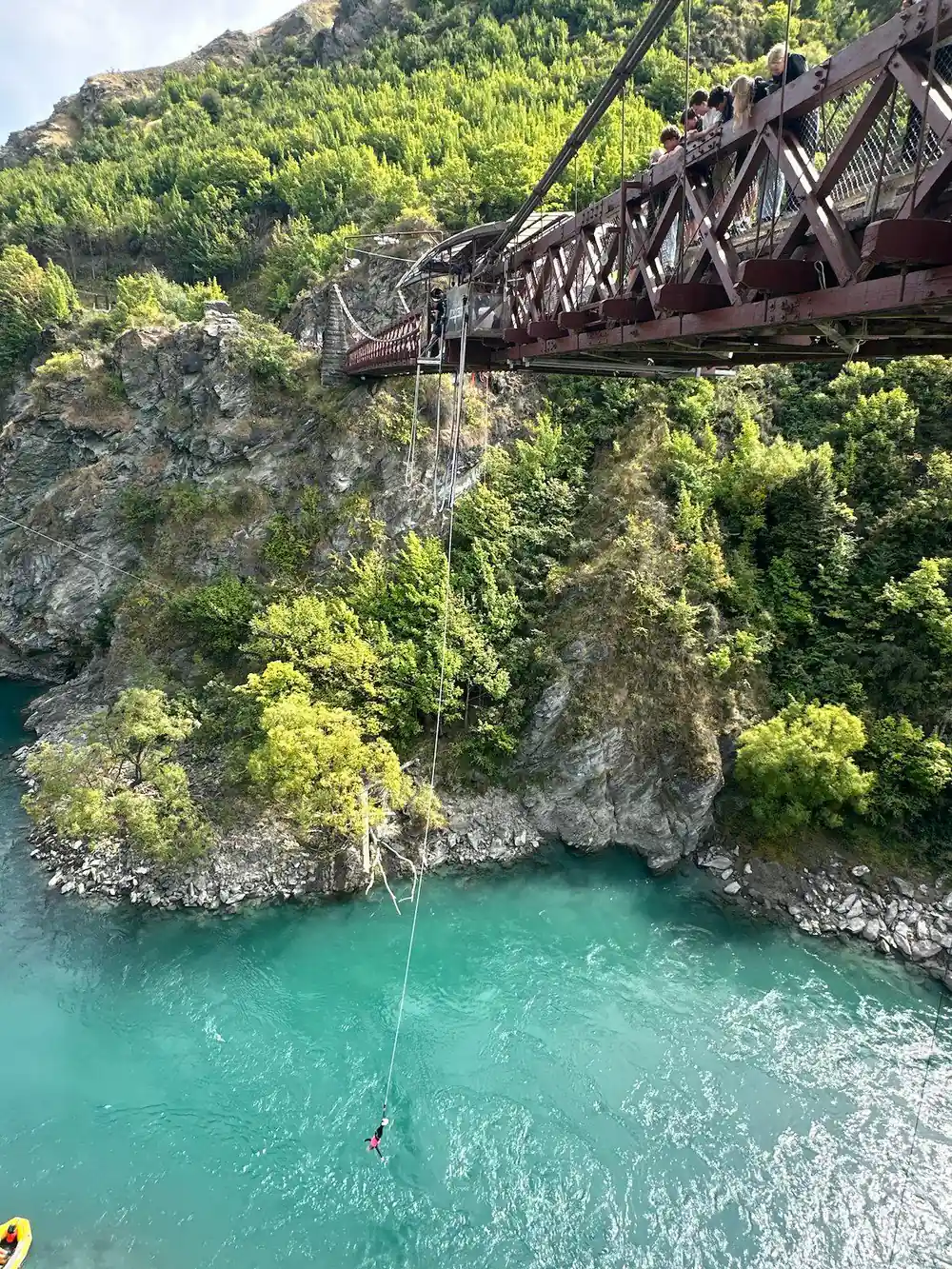
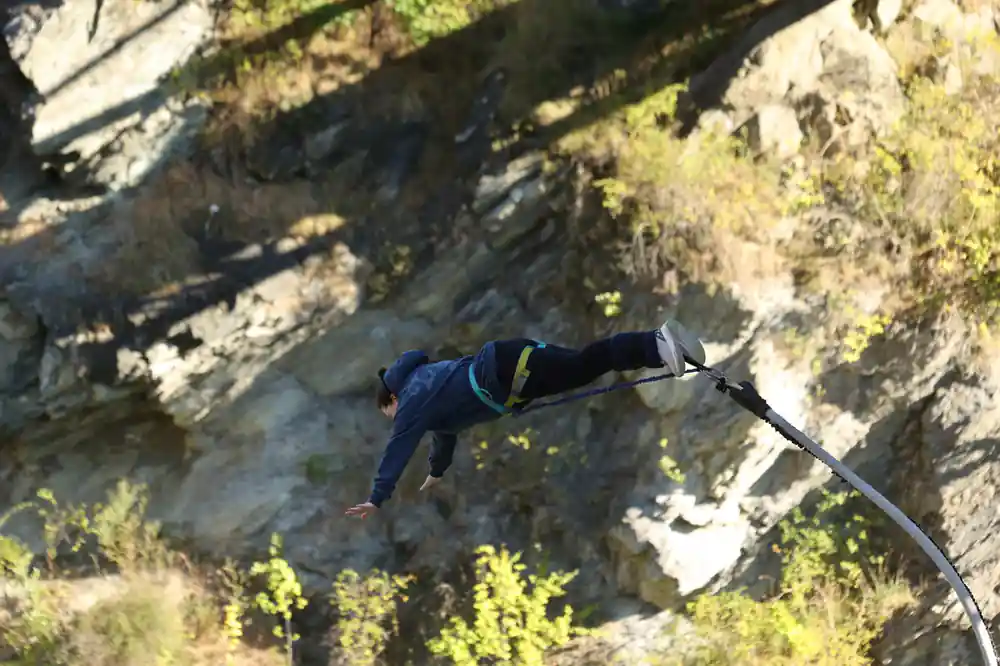
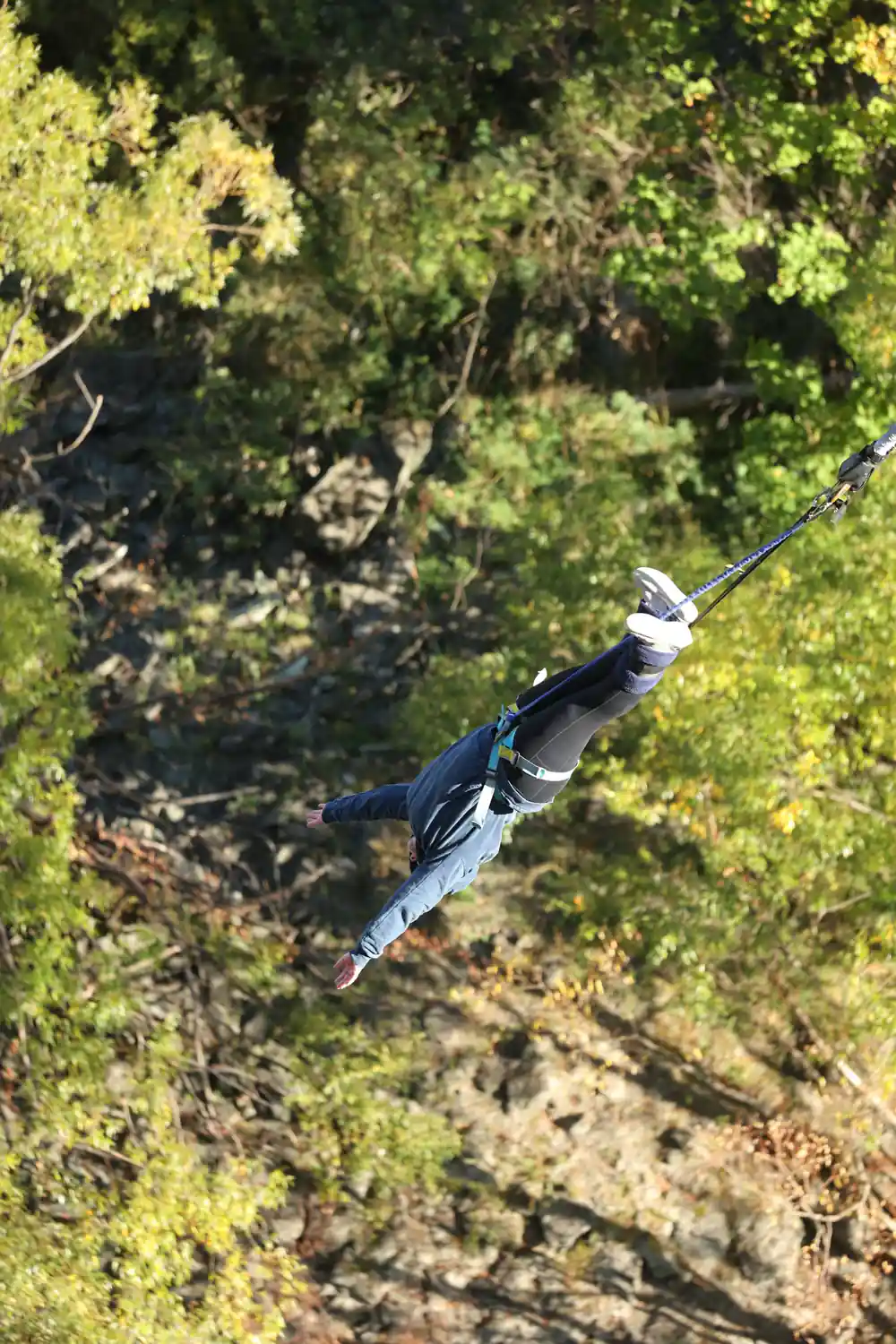
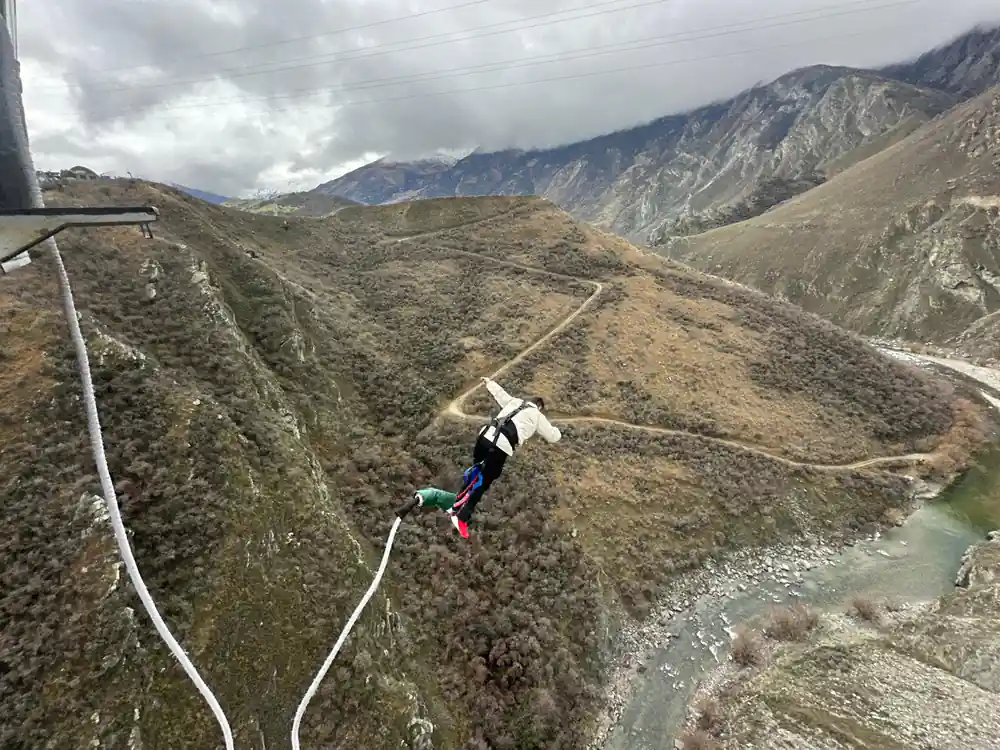
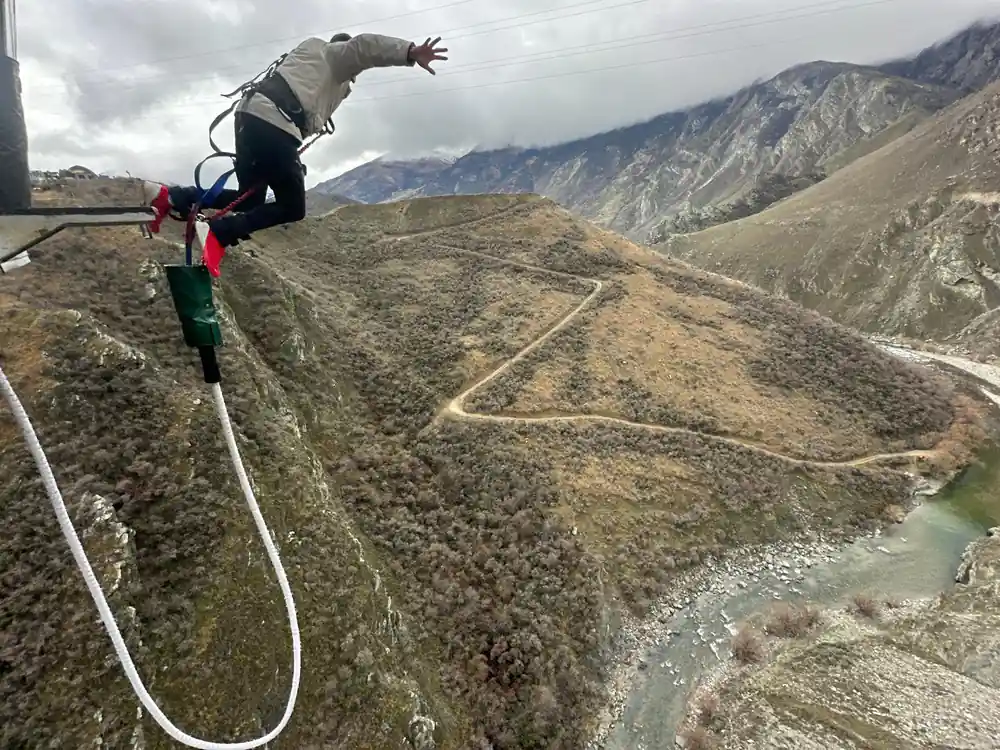
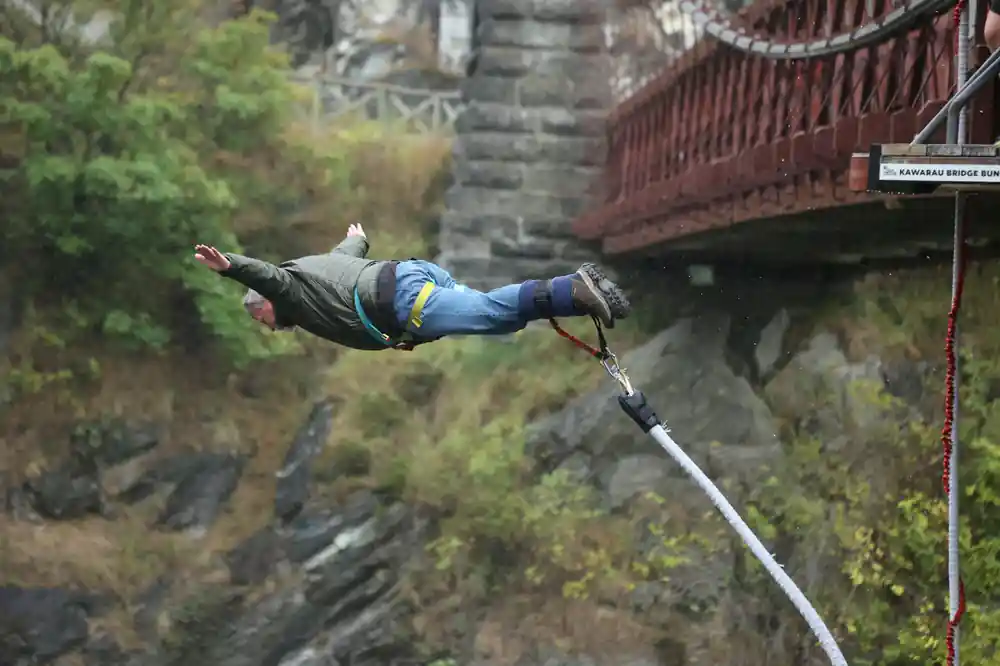
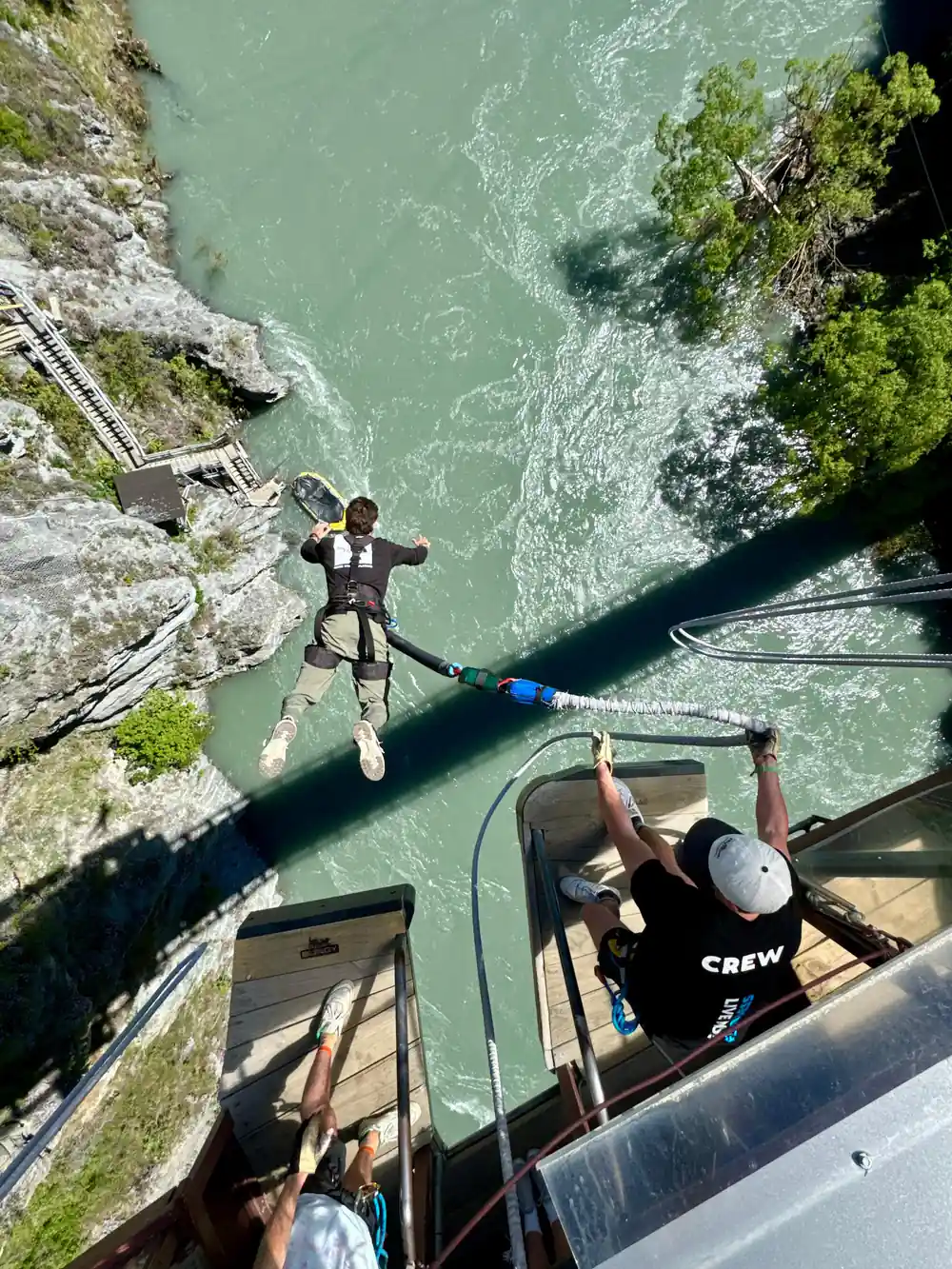
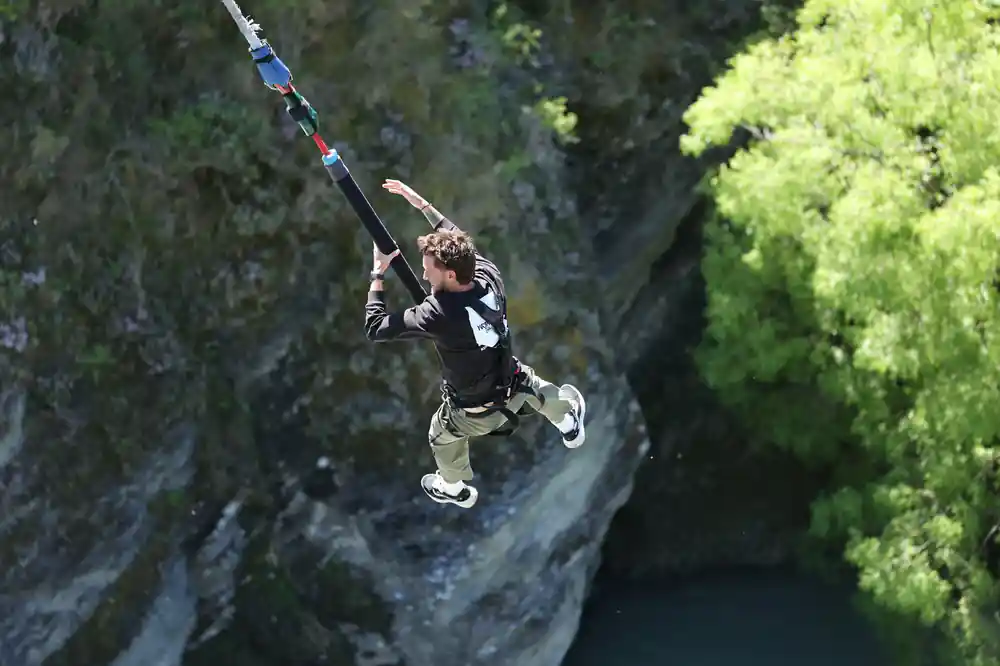
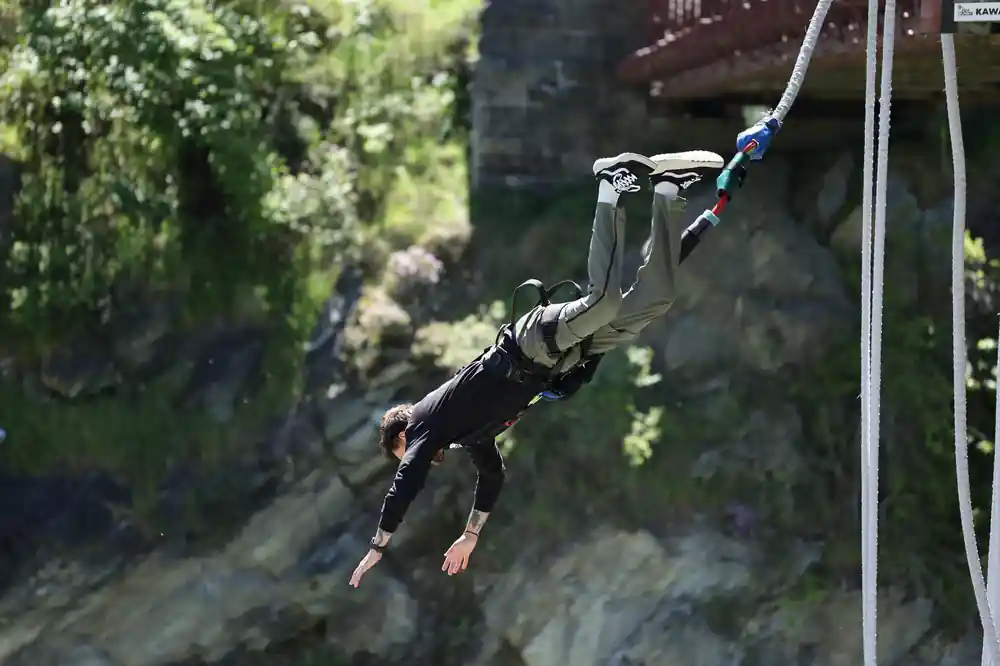
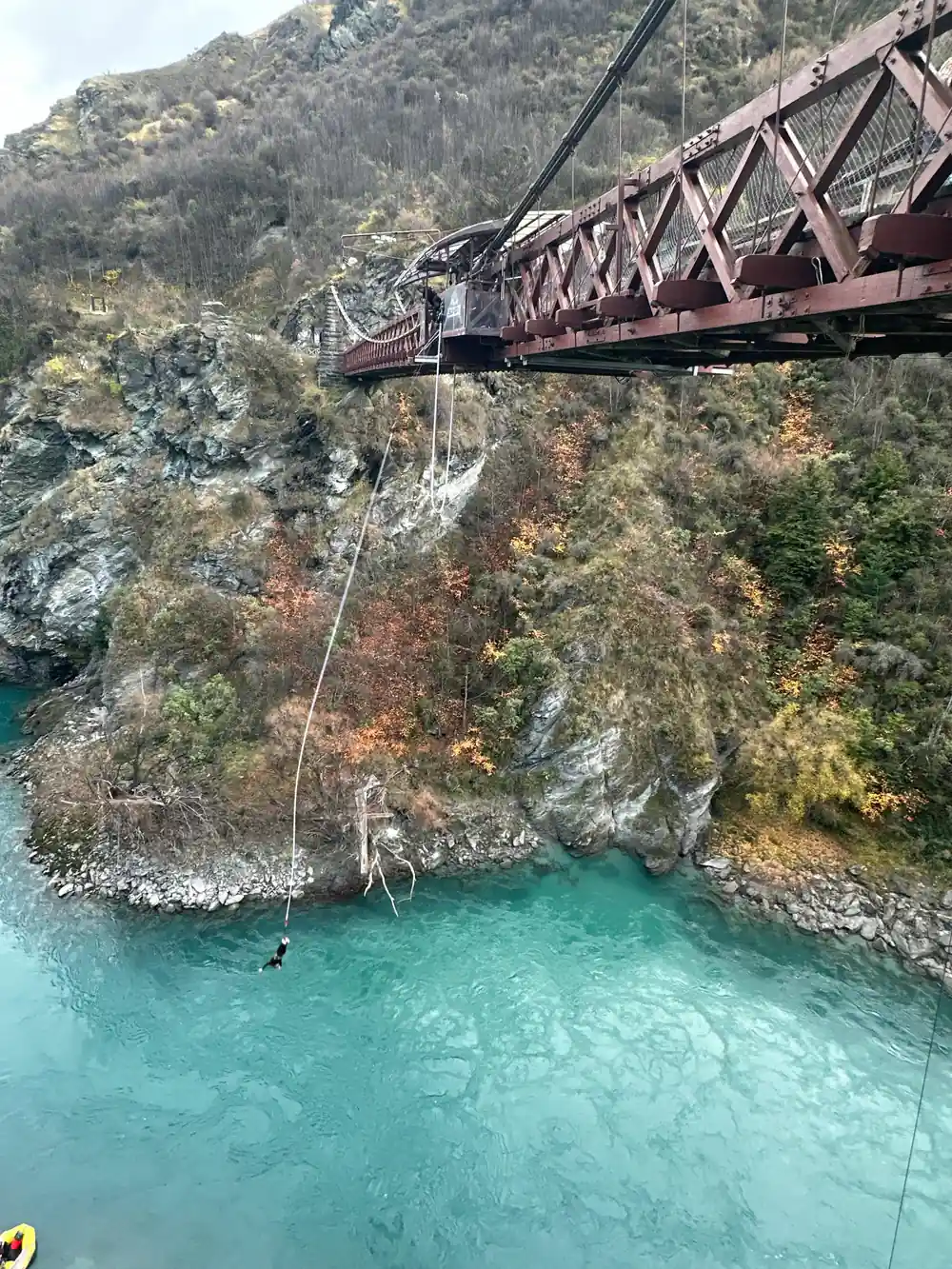
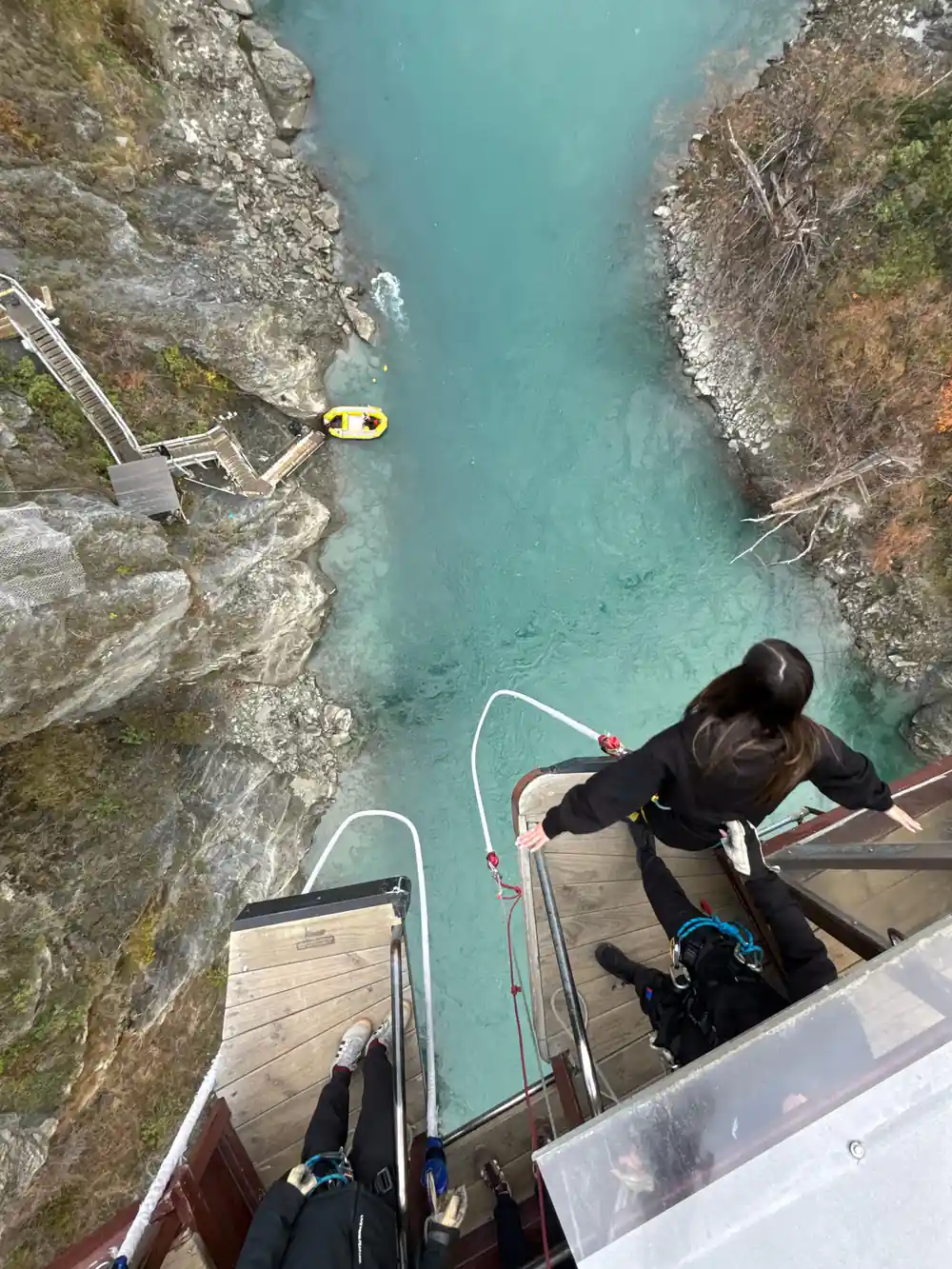
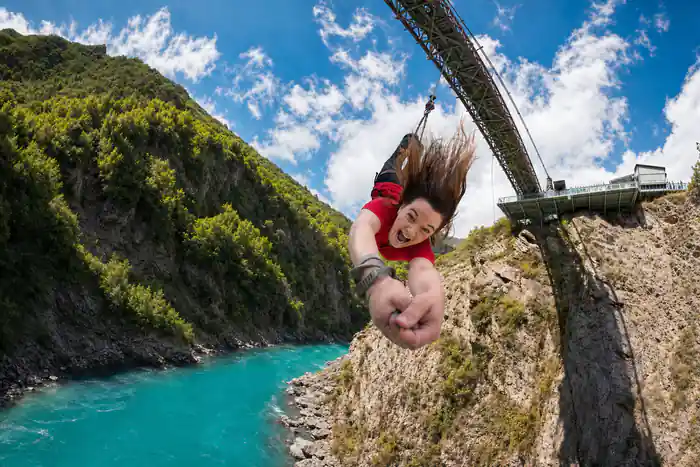
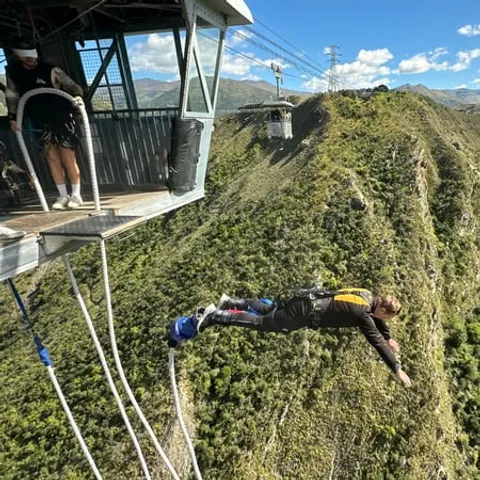
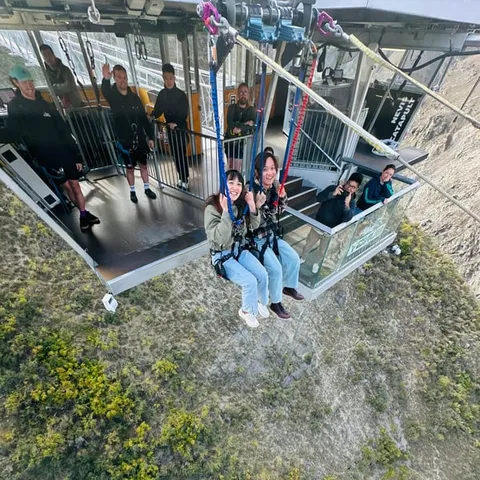
Forty-three metres from a suspension bridge over the Kawarau River, in the Gibbston valley about twenty minutes east of Queenstown. You are weighed, harnessed, walked out to a platform in the middle of the span, counted down, and you jump.
The whole booking is two and a half hours, most of which is transport, waiting and watching other people go. The jump itself is over in a few seconds, and that ratio is worth understanding before you book: this is a half-day outing built around a very short event.
Photos and video are included, and transport from central Queenstown is free. In practice you turn up in town and everything else is arranged.
Why this bridge and not another one
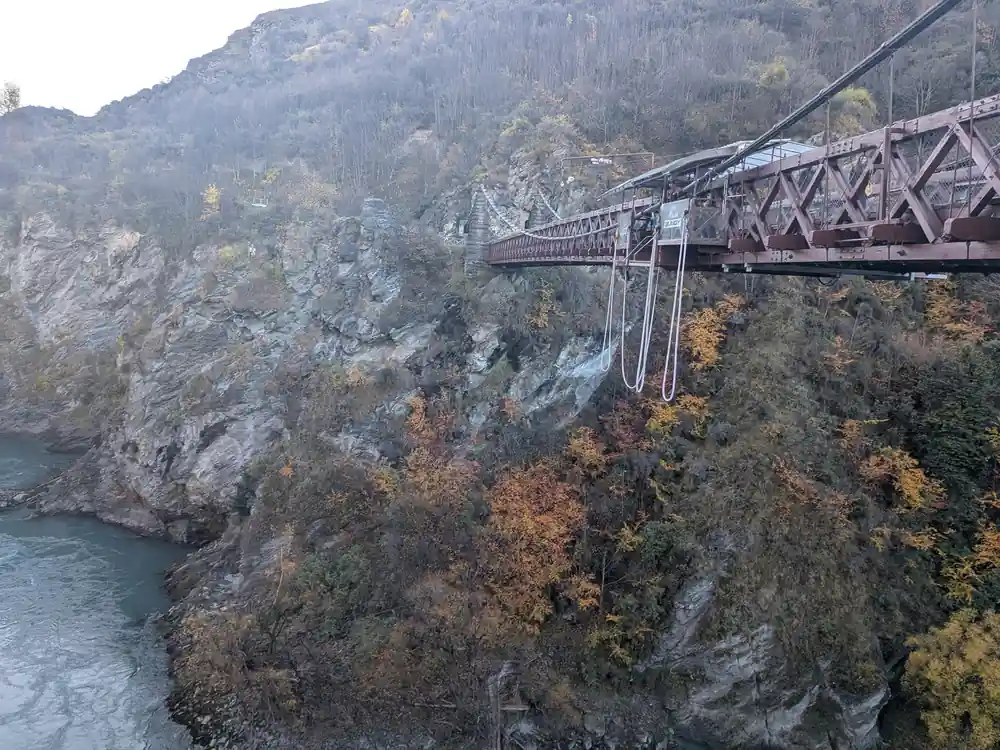
Because this is the first. Not one of the first, not among the earliest: the world first commercial bungy site, opened by AJ Hackett and Henry van Asch in 1988, and still operating from the same span.
People had jumped off things on ropes before. The Oxford Dangerous Sports Club went off the Clifton Suspension Bridge in 1979, and the practice they were imitating, land diving with vines on Pentecost Island in Vanuatu, is very much older than that. What happened here in 1988 was different: somebody sold tickets.
Everything that followed, in Macau, in Switzerland, over the Zambezi, at every activity centre in every country that has one, traces back to this bridge. Standing on it is a slightly odd feeling for that reason.
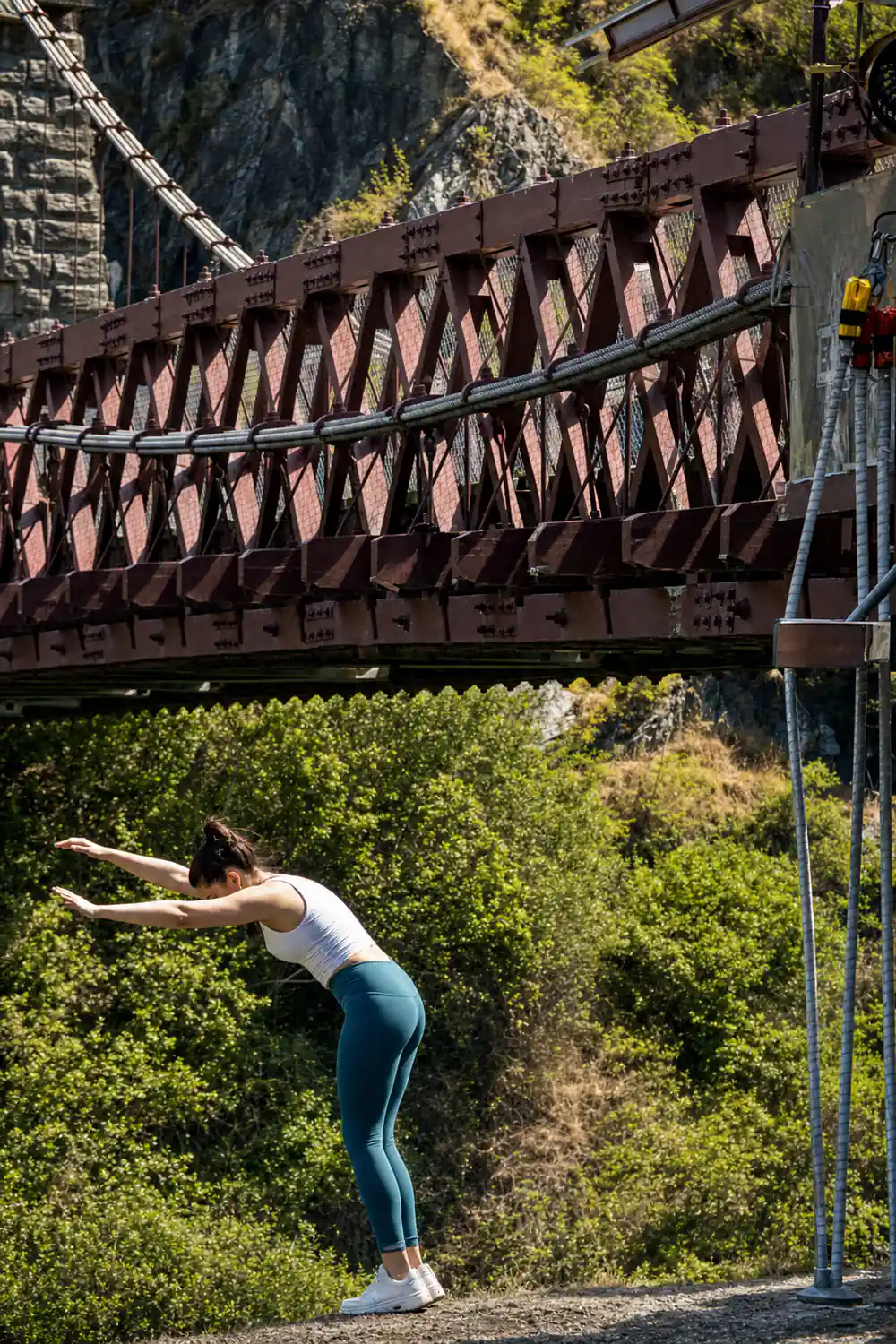
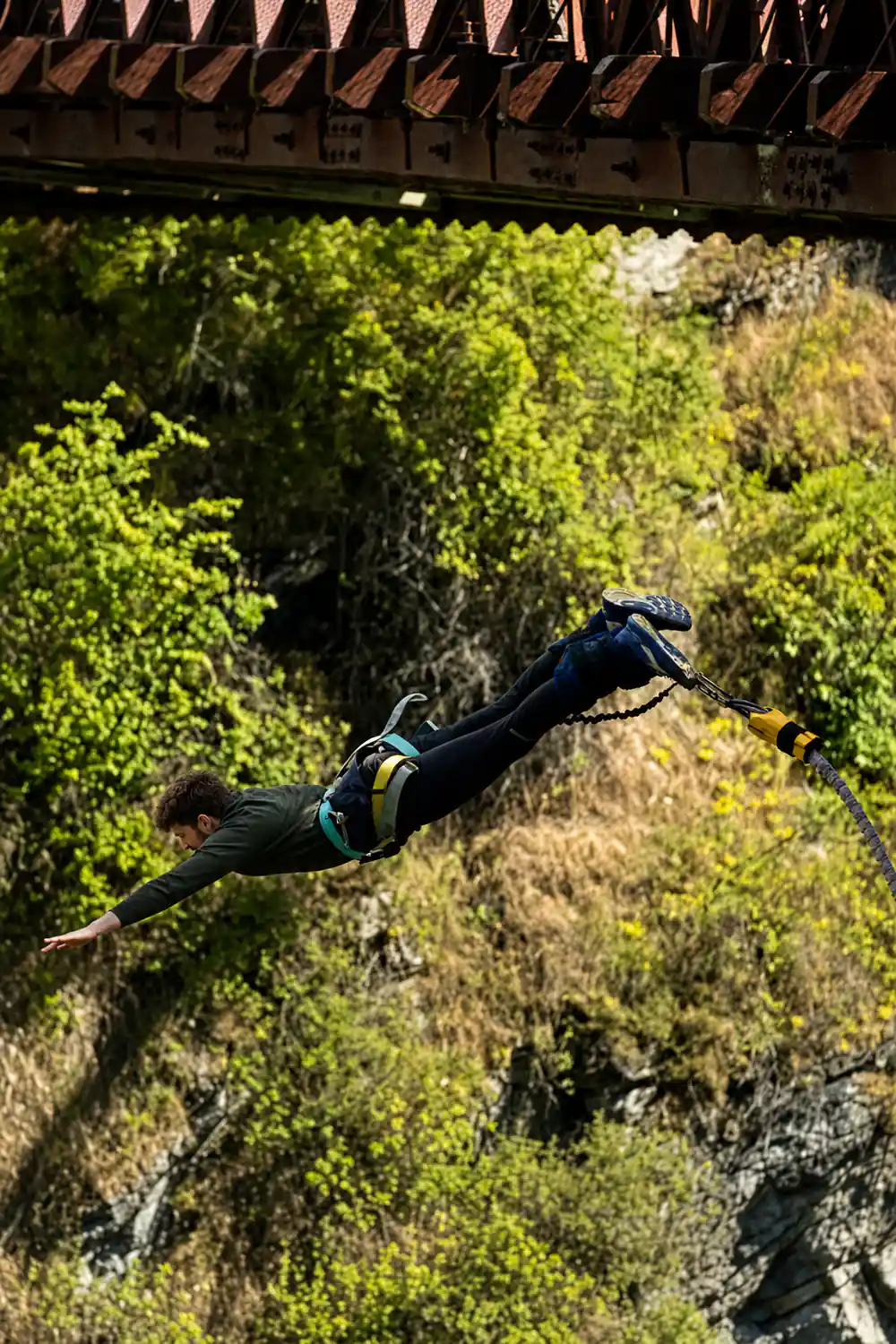
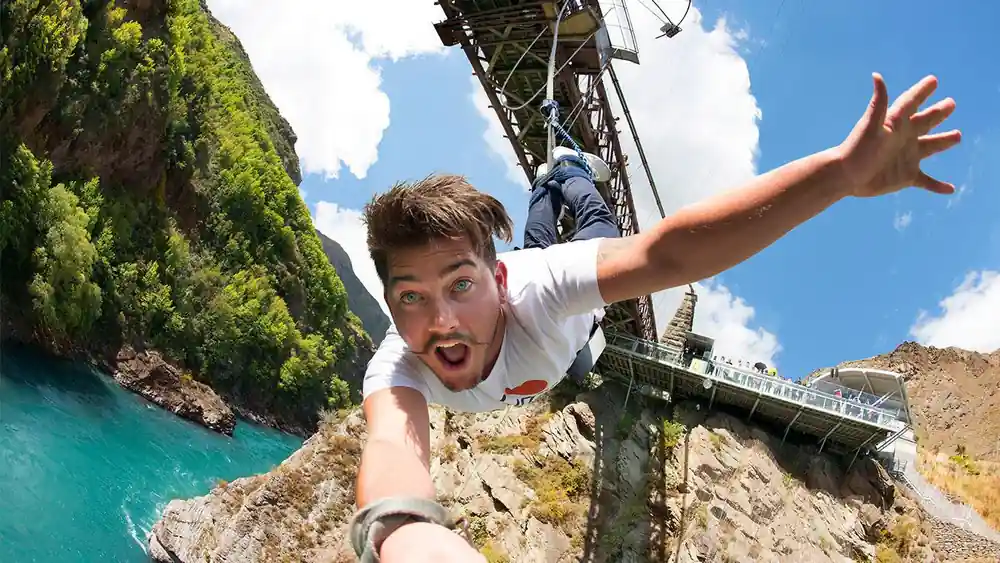
The bridge itself is older than the jumping by more than a century. It was built in 1880 to carry the road through the Kawarau Gorge, and it was already redundant as a road bridge when Hackett arrived: the traffic had moved to a newer crossing nearby. A disused Victorian suspension bridge over a gorge turned out to be exactly the right piece of infrastructure for an activity nobody had invented yet.
The choices you make
Three of them, and they change the jump considerably. Solo or tandem. Dry, or with a water touch. And, if you take the touch, how much of you goes in.
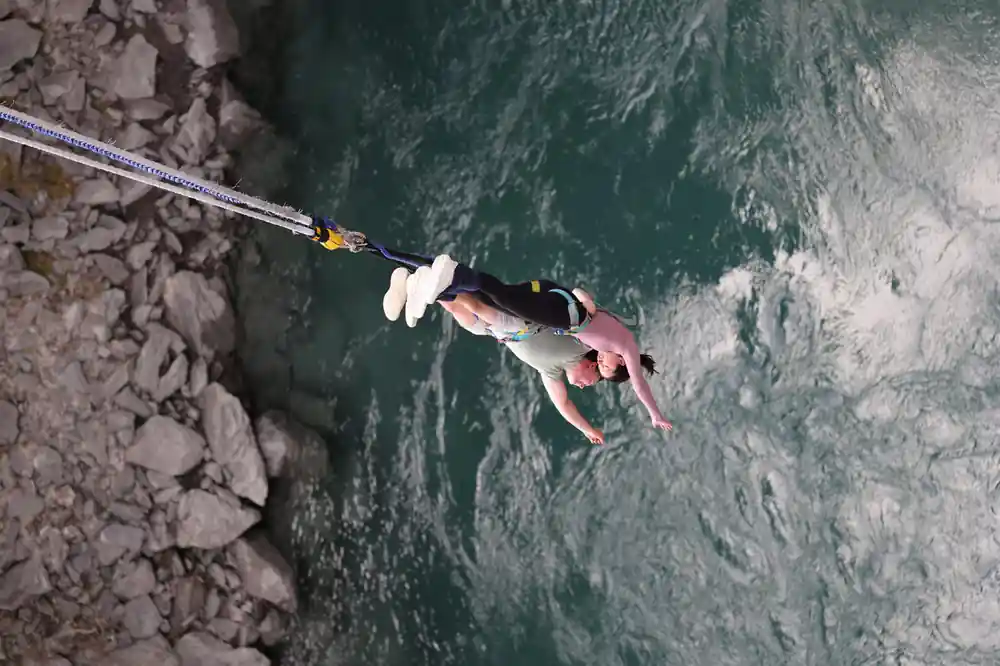
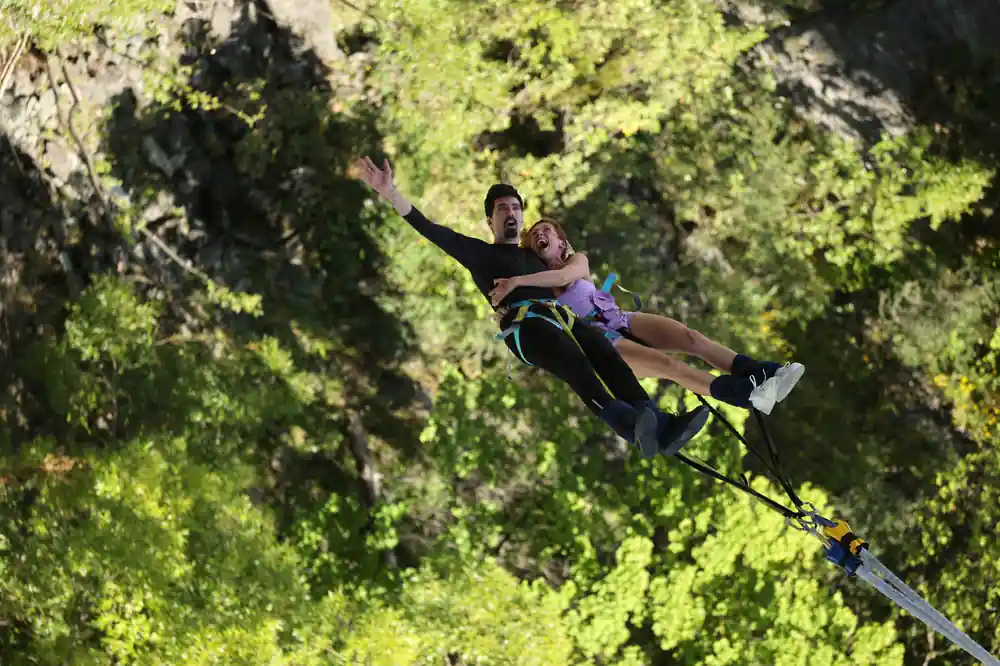
A solo jump is the standard one. Tandem means two people harnessed together, which halves nobody fear but does make it a shared thing, and is popular with couples and with siblings who have dared each other into it.
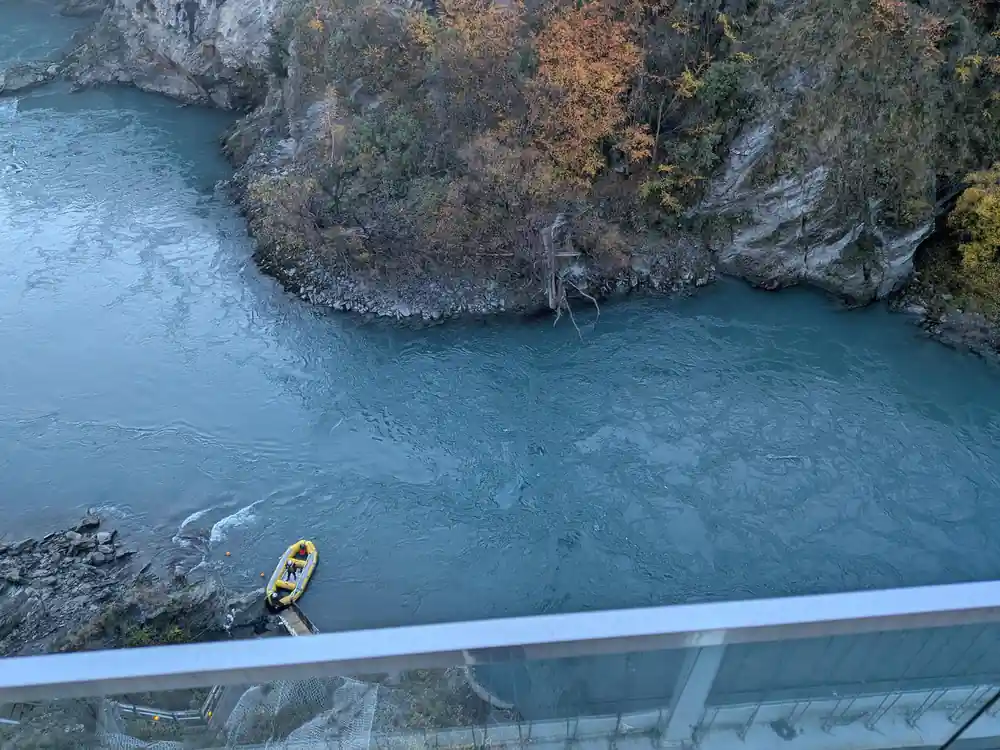
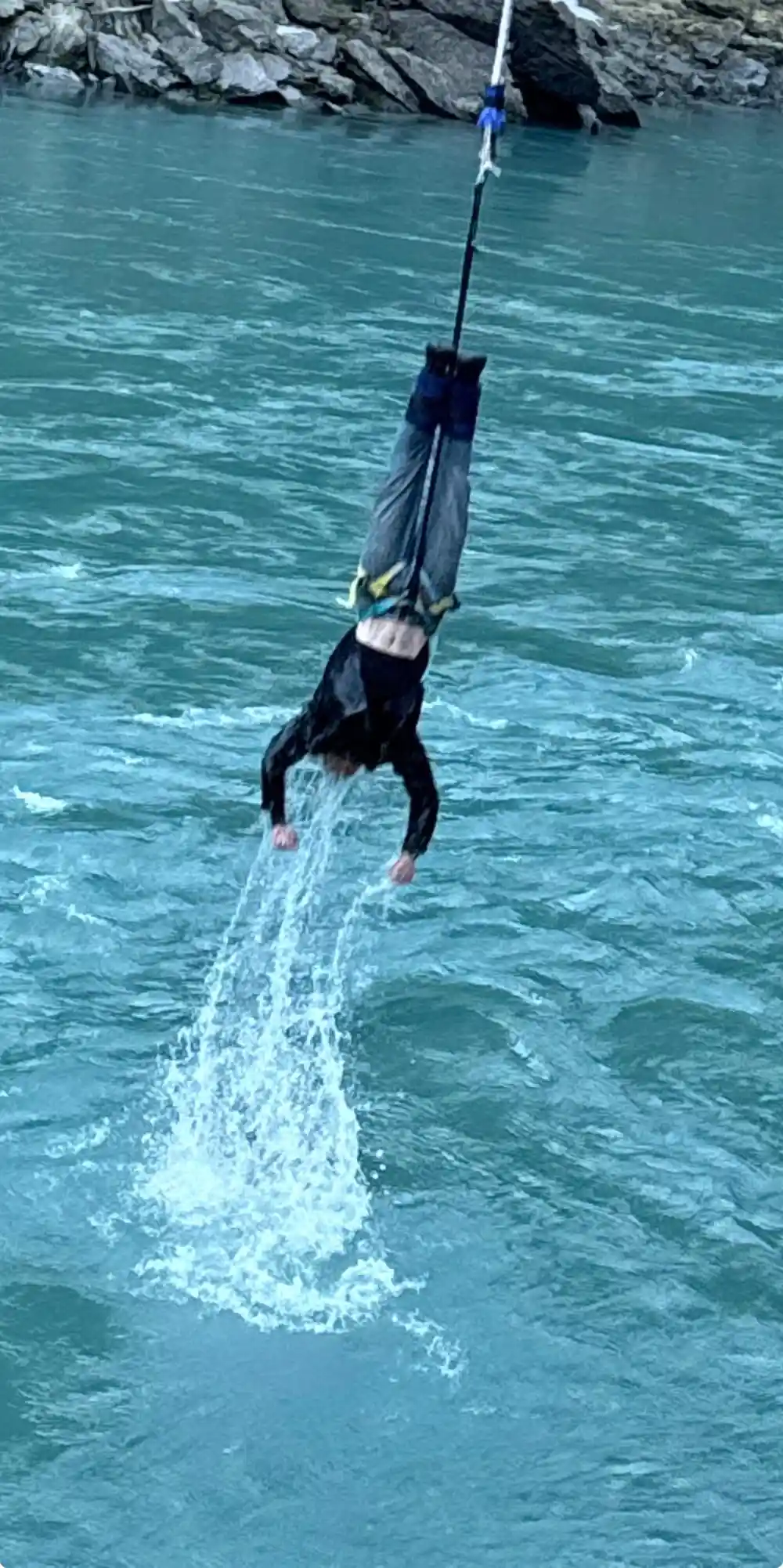
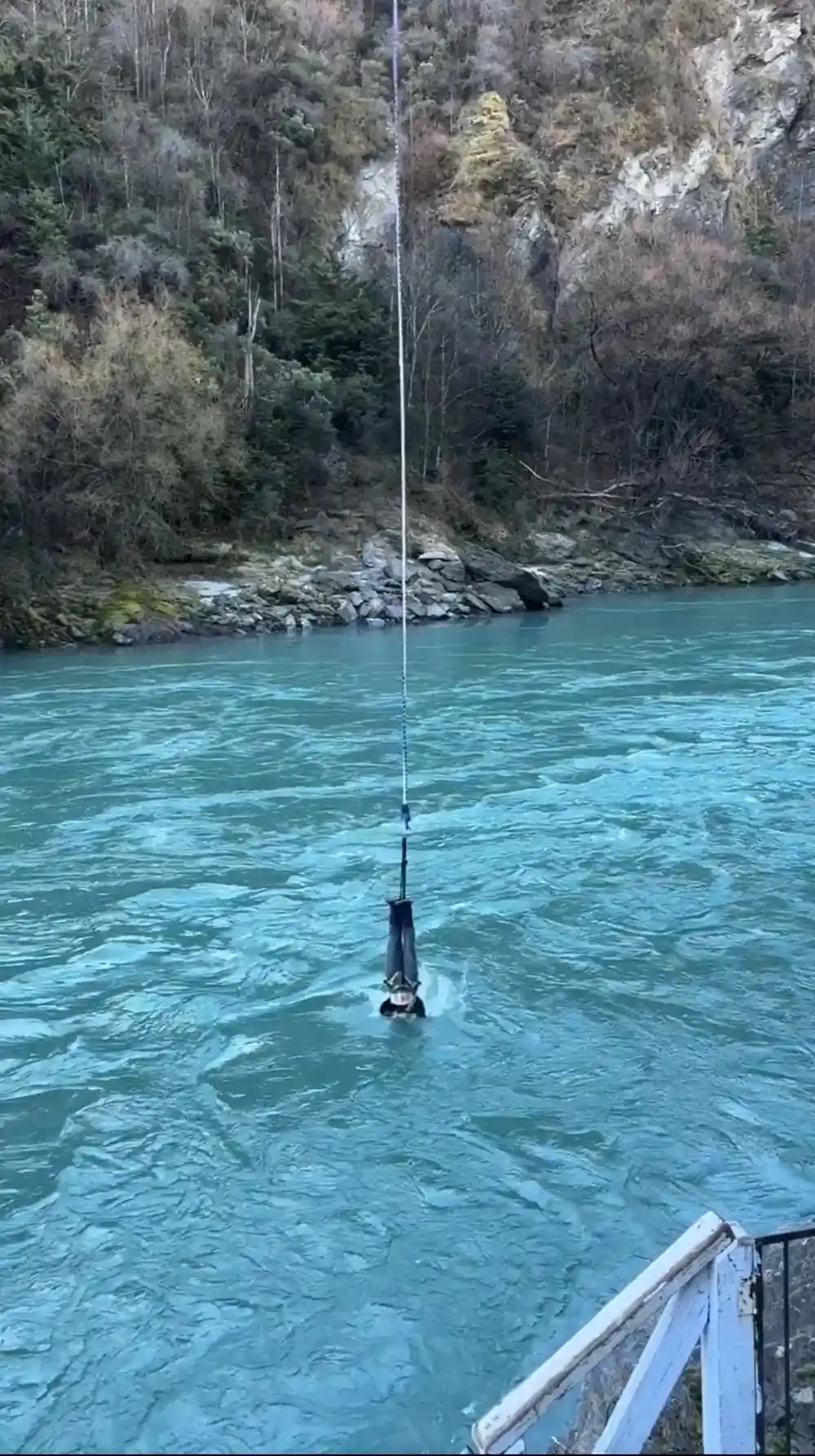
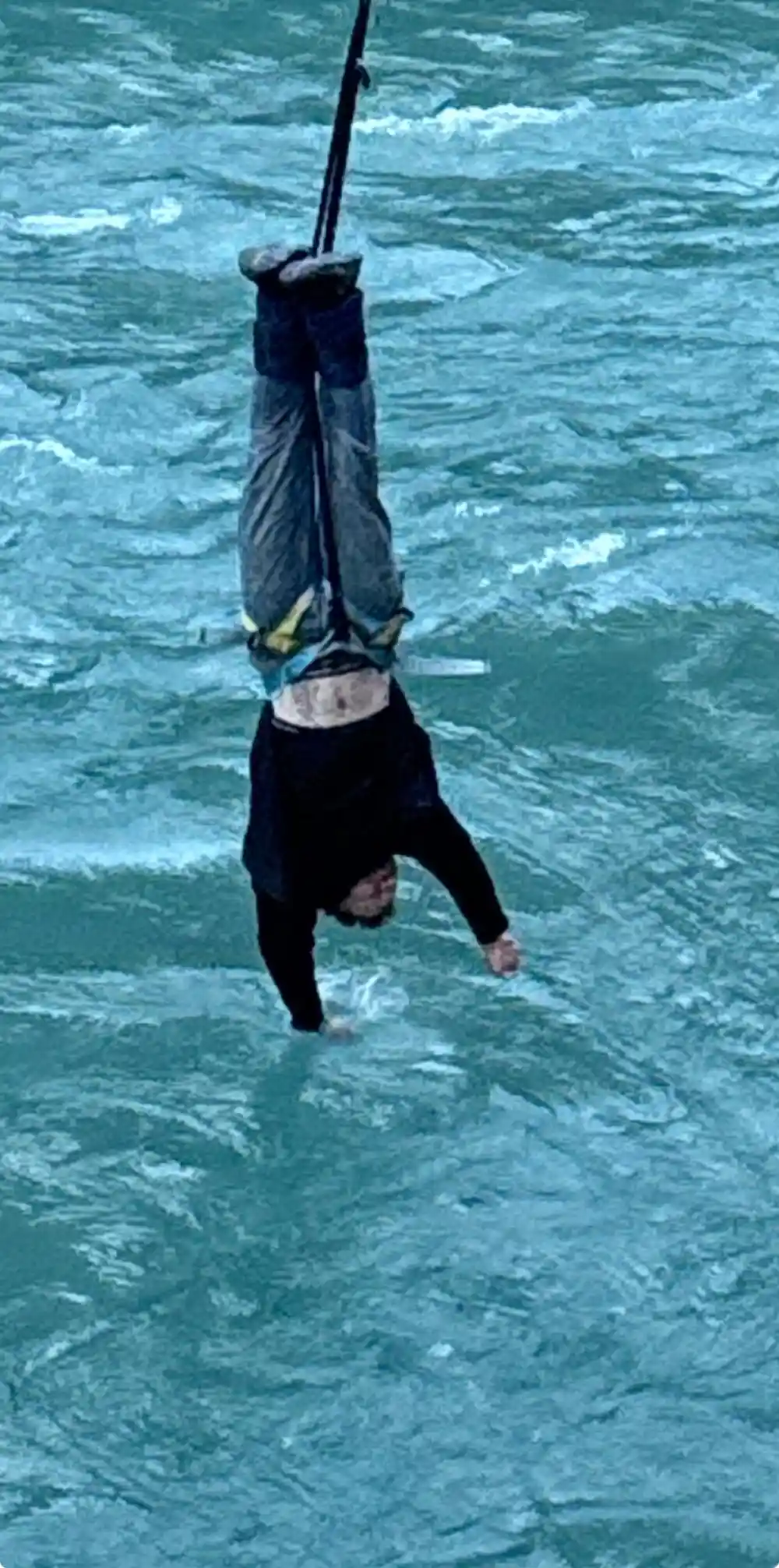
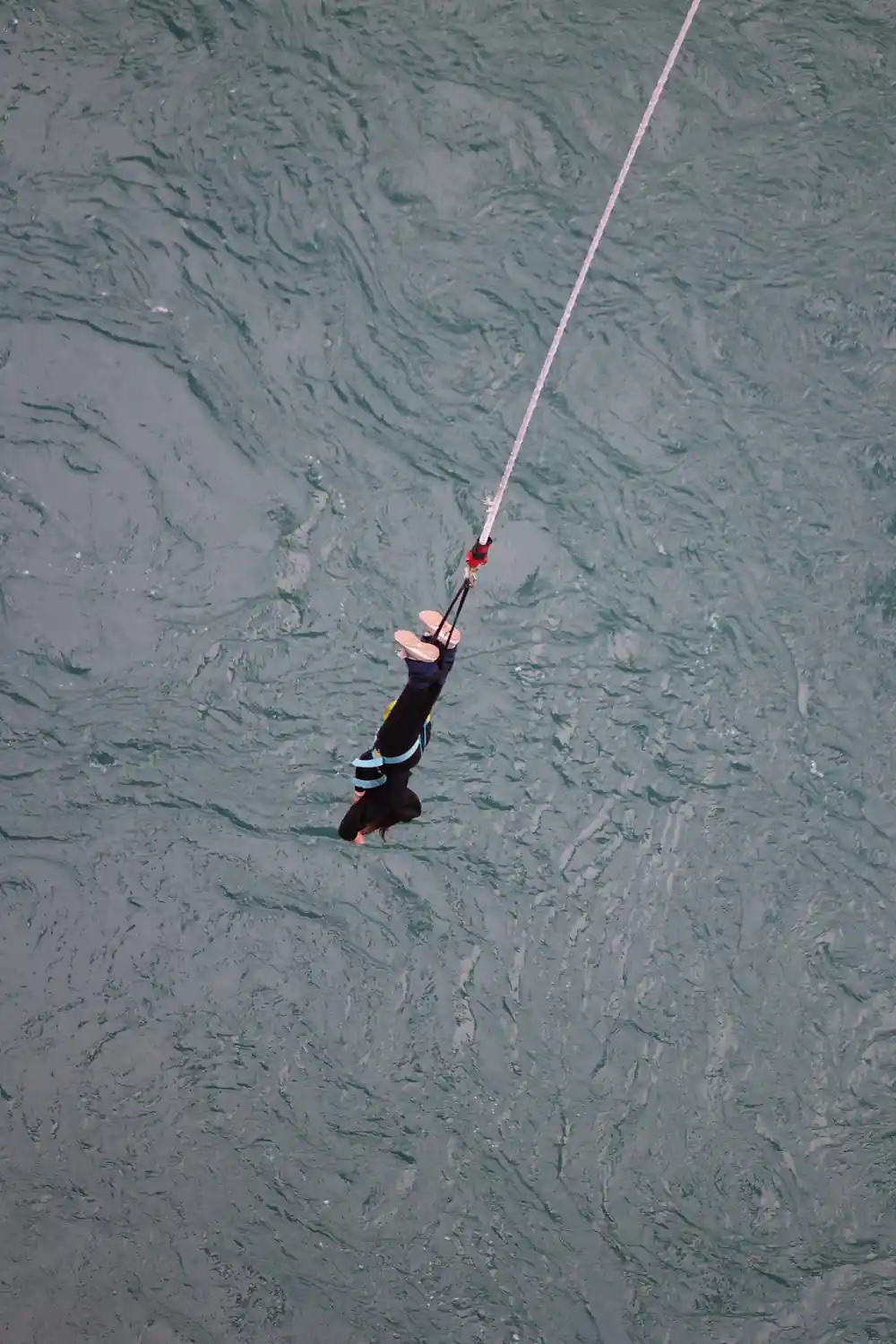
The water touch is the option most people regret not taking. The crew set the cord length so that you either brush the surface with your hands or go in properly, and the river is glacier-fed, which is a sentence worth reading twice.
What forty-three metres actually is
Not much, by the standards of the big jumps. There are bungy sites several times this height, and the operator itself runs a considerably higher one elsewhere near Queenstown.
It is also entirely beside the point. Above a certain height the difference stops registering, because what your body objects to is stepping off an edge into nothing, and that objection is identical at forty-three metres and at a hundred and thirty.
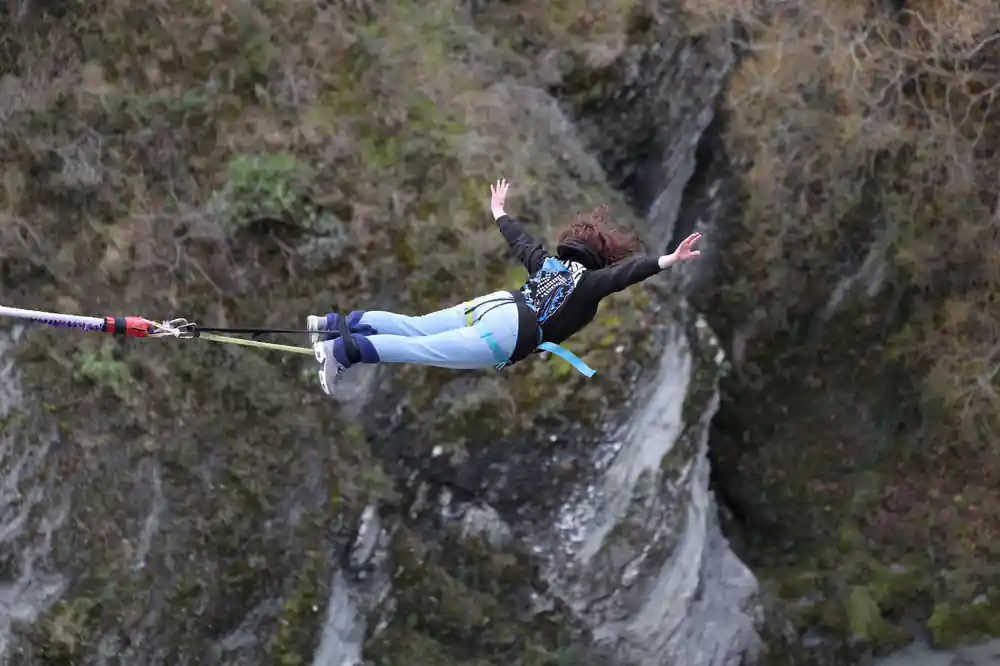
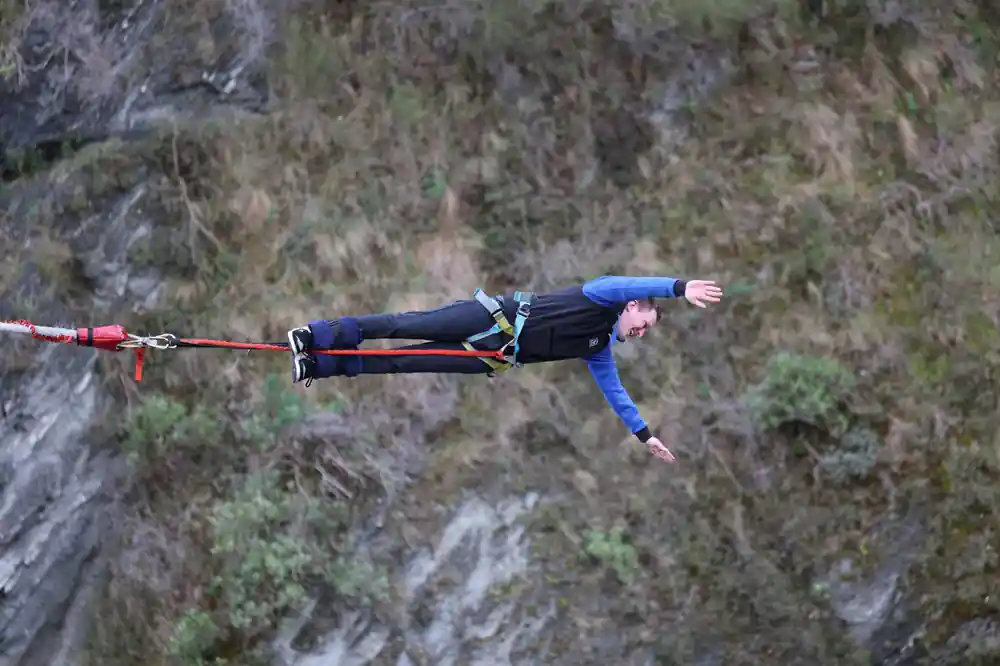
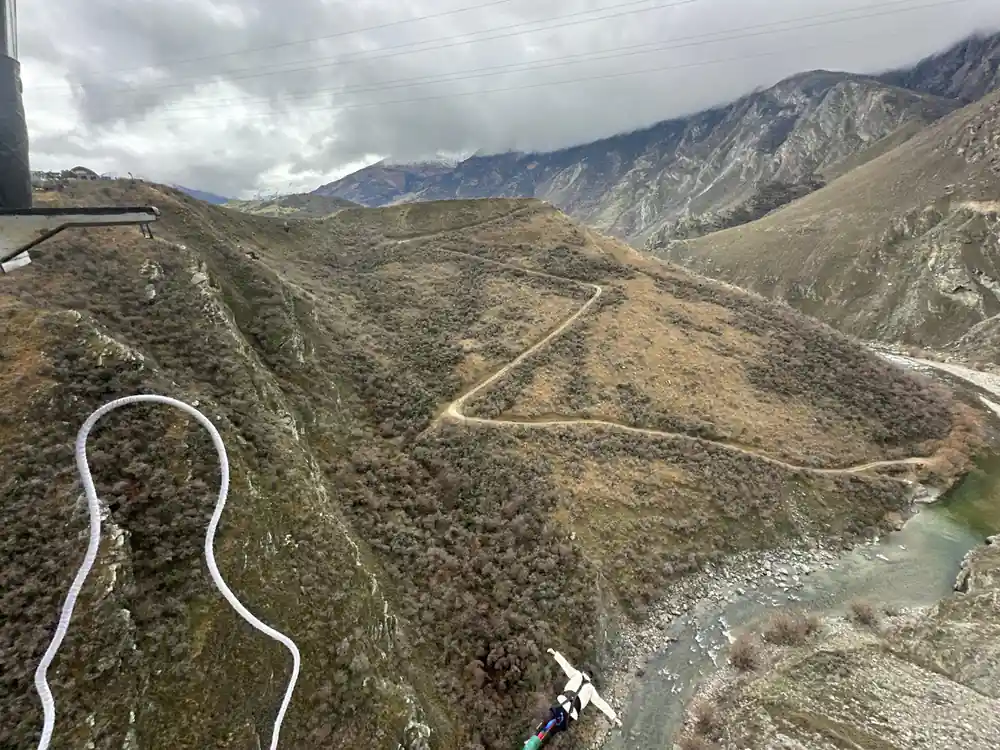
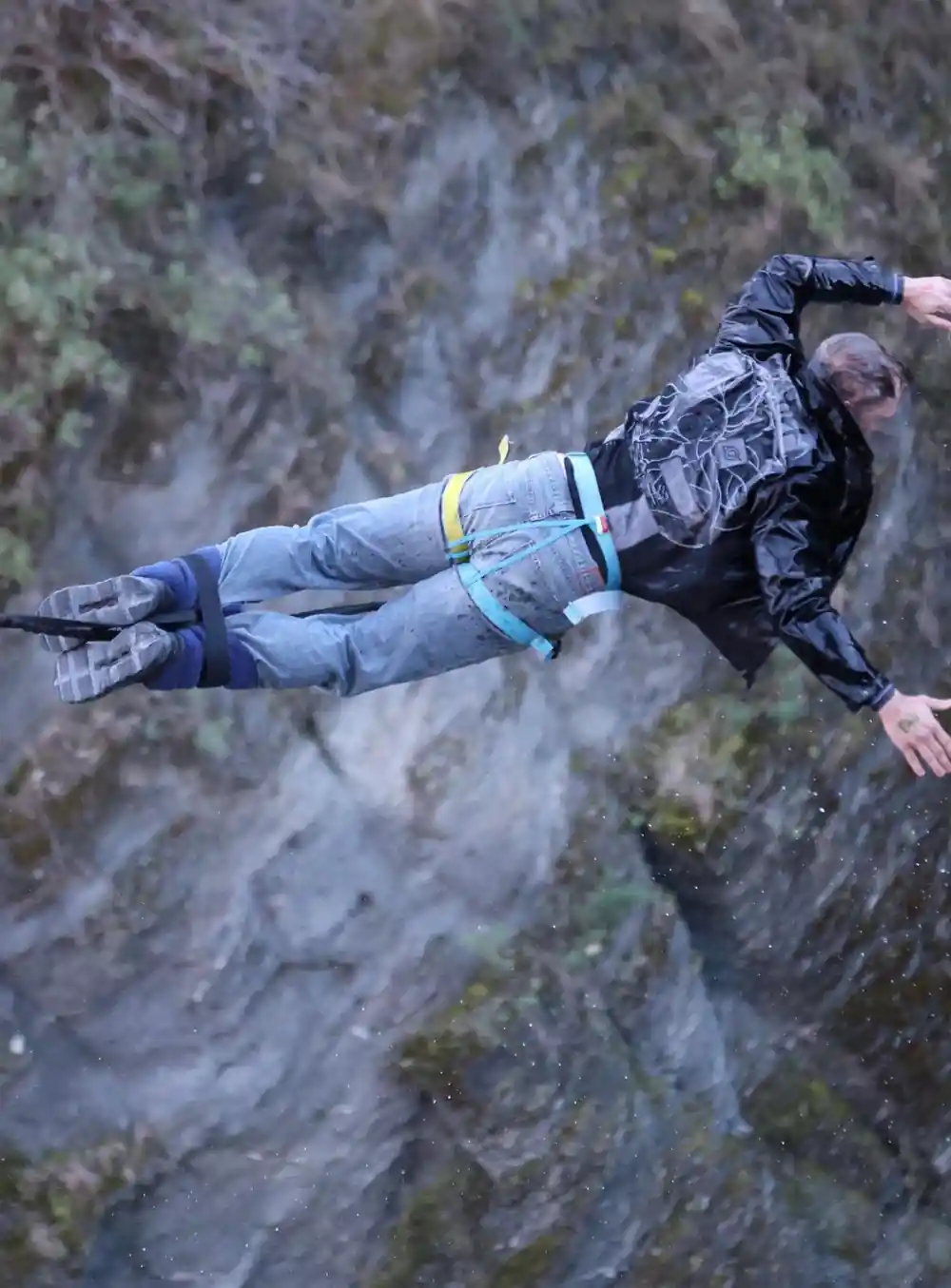
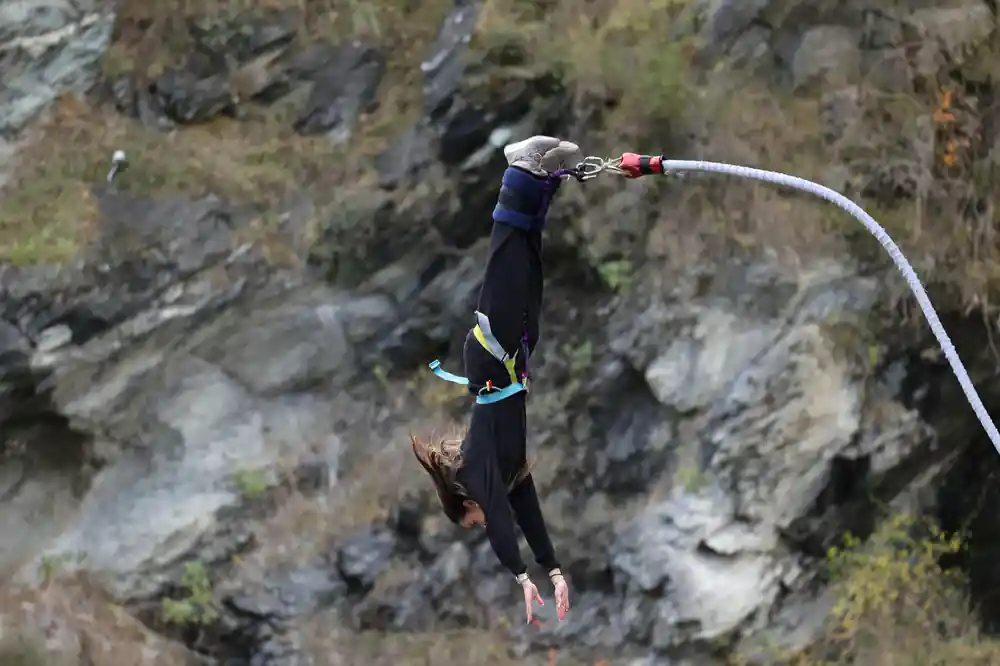
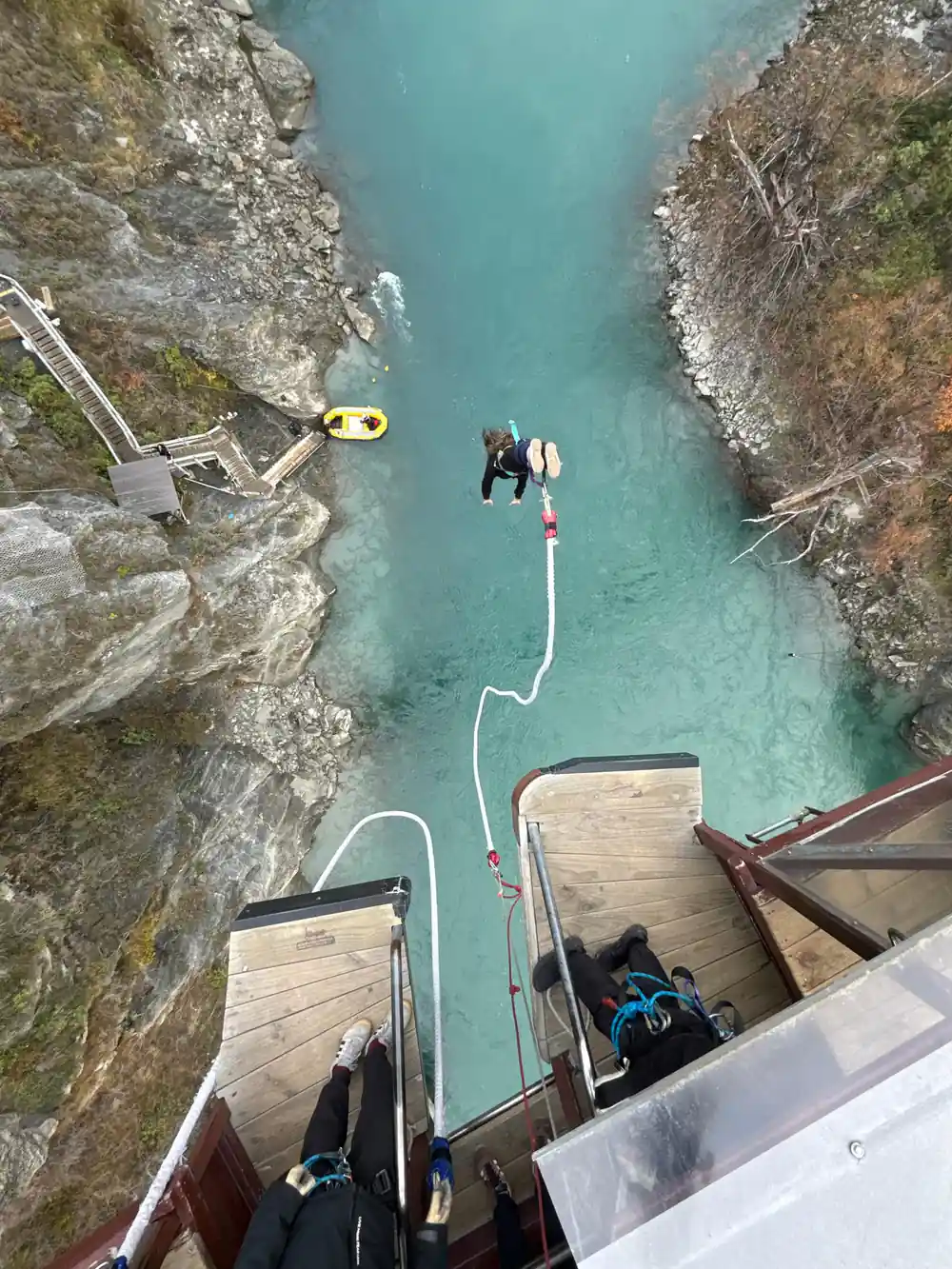
The free fall lasts about three seconds. Three seconds is a very long time when it is happening to you, and almost everybody reports the same thing afterwards: they have no clear memory of the first one.
The fear, honestly
Almost everyone who books this is frightened, and there is no reason to pretend otherwise. What is worth knowing is the shape of it.
The worst part is the walk out along the bridge to the platform, which takes long enough for the mind to work. The second worst is the edge itself, standing with your toes over nothing while somebody counts. The jump is not the worst part; by then it is happening and there is nothing left to decide.
People do back out and the crew are entirely used to it. Nobody is pushed, in either sense. What is much more common is a long pause, a shorter one, and then going.
Who can jump
There are weight limits at both ends and a minimum age, and there is a list of health conditions that rule a jump out, including back and neck problems, heart conditions and pregnancy. Check the operator listing before travelling rather than at the weigh-in.
You are weighed on arrival and a number is written on your hand. That number sets the cord, which is why nobody skips the weigh-in and why guessing is not an option.
Beyond that it takes no skill and no fitness. The only thing asked of you is that you step forward when the counting stops.
Who this suits
Anyone who wants to do the thing where it was invented. Queenstown offers higher and more elaborate jumps, and this one has a claim none of them can make.
It suits people short on time, since two and a half hours including transport is easy to fit into a day of other things. It suits nervous first-timers, because forty-three metres is enough and the operation is unhurried.
It suits it less well if what you want is the biggest number available. That is a different jump at a different site, and it is a perfectly good reason to book something else.