In a nutshell
- Nerves before a bungy jump are part of the day, not a warning about it. The Kawarau site is 43 metres above the water.[1]
- The drive from Queenstown takes around 25 minutes (23 km) via State Highway 6, and the waiting on the bridge stretches everything out.[2]
- The listing is limited to 6 participants, with an English speaking instructor.[3]
- You can reserve now and pay later, and cancel up to 24 hours in advance for a full refund.[3]
- The Kawarau Bridge Bungy is from US$188, and the experience runs 1 - 2.5 hours.[3]
- Top choice Kawarau Bridge Bungy from US$188 Rating4.90 from 195 reviews[3]Duration1 - 2.5 hours[3]Group sizeLimited to 6 participants[3]CancellationCancel up to 24 hours ahead[3] Check availability
- Nevis Bungy from US$232 Rating4.96 from 100 reviews[4]Duration4 hours[4]Group sizeLimited to 6 participants[4]CancellationCancel up to 24 hours ahead[4] See this tour
- Nevis Canyon Swing from US$191 Rating4.86 from 144 reviews[5]Duration4 hours[5]Group sizeLimited to 8 participants[5]CancellationCancel up to 24 hours ahead[5] See this tour
In New Zealand, bungy operators are required to be registered under the Health and Safety at Work (Adventure Activities) Regulations 2016 and must periodically pass independent safety audits.
The fear is part of the day, not a reason to cancel
Worth knowing first
On the day
Everybody is frightened
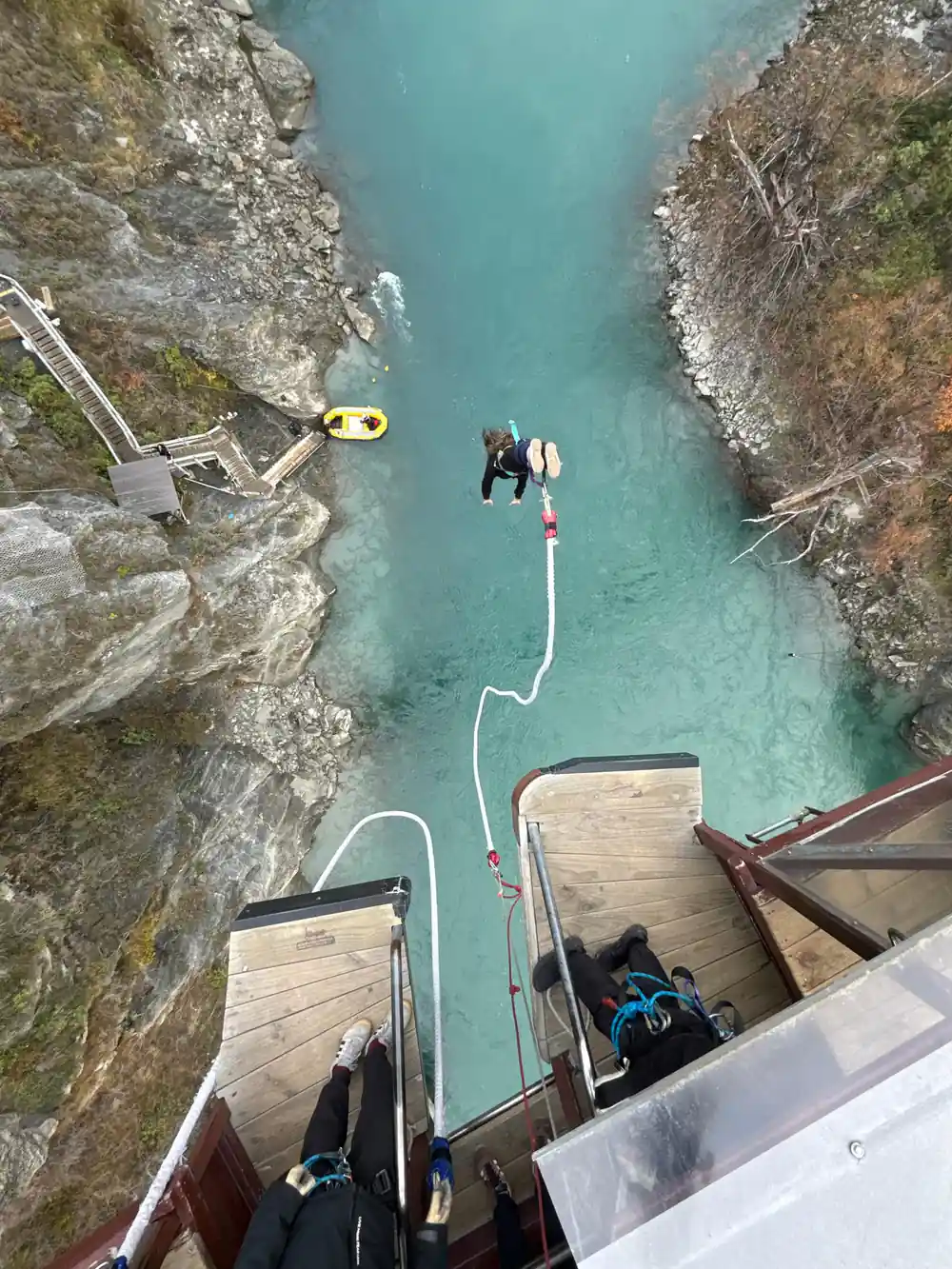
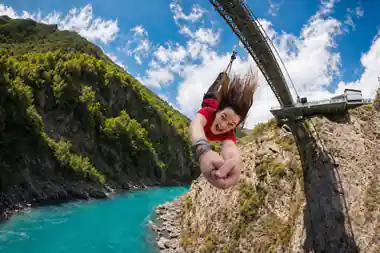
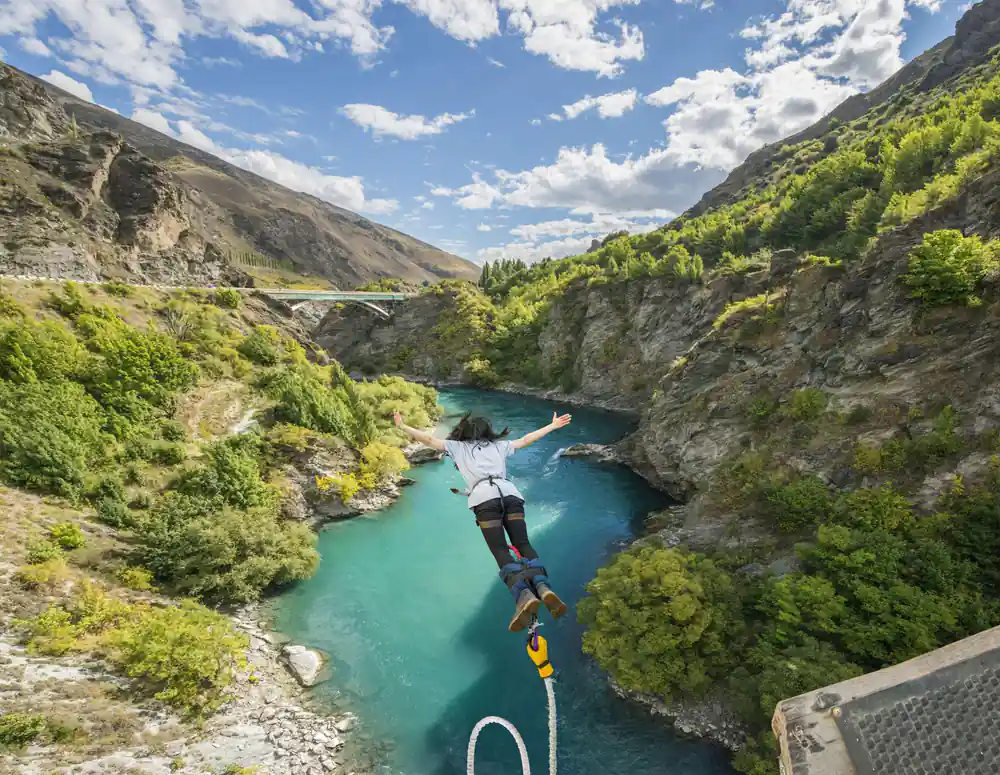
Stand on the Kawarau Bridge and there is water moving underneath you, a long way down. The bungy site is 43 metres above the water, and the world's first commercial bungy jump was launched there on 12 April 1988.[1] The bridge itself is a historic suspension span over the Kawarau Gorge, with cables, wooden planks and a clear view of everything below.
You will probably arrive with a dry mouth and cold hands, and you will hear the cord slap the air when the person ahead of you jumps. None of that means something is wrong with you. It is simply what standing above a river on a narrow bridge does to a body, and the feeling turns up whether you have done this before or not. The nerves are part of the day rather than a warning about it, and the people on the platform have seen every version of them.
The history of the place is on your side. By 1994, 100,000 jumps had been completed at Kawarau Bridge.[8] Queenstown welcomed 412,897 international visitors in 2024.[9] You will not be the only person on that bridge with a tight chest, and the crew will not be surprised by yours. Fear is a familiar thing on this bridge.
Why the walk out is the worst
The fall is rarely the hard part. The approach is. From Queenstown, the Kawarau Bridge Bungy Centre is around a 25-minute drive (23 km) via State Highway 6.[2] That is a long time to sit with your own thoughts, and then there is check in, and then the walk out along the bridge, which is slower than you expect and much longer than you would like it to be.
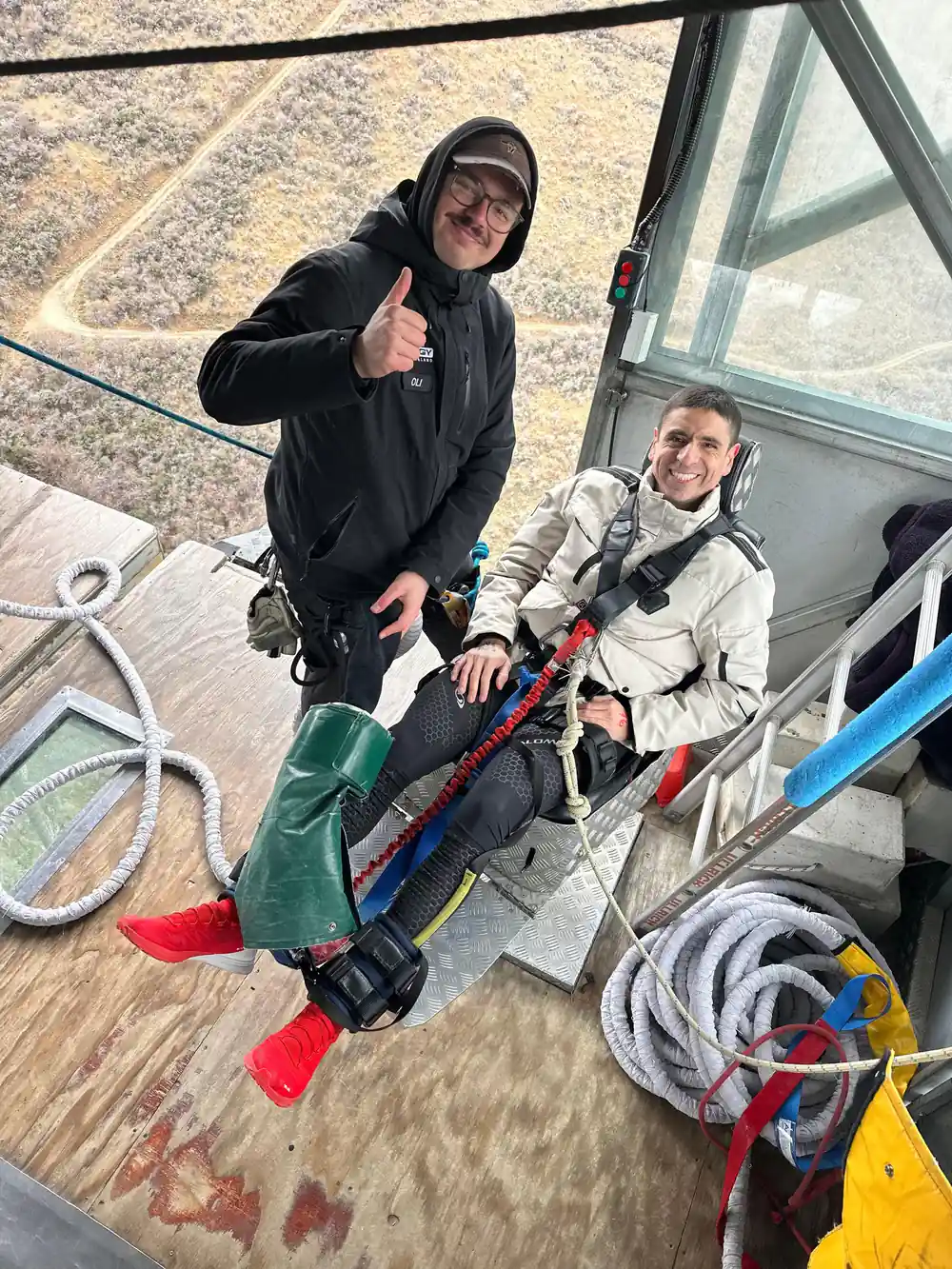
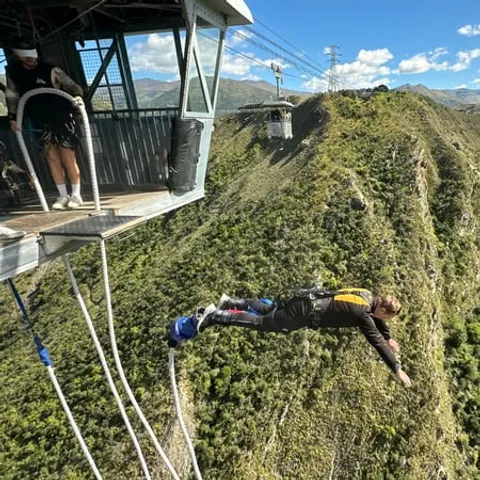
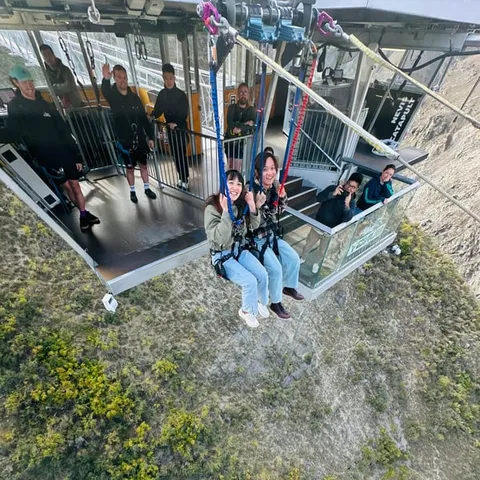
On the bridge, everything happens in an order you cannot rush. You get weighed and fitted with gear. You wait with the group while the crew work through the queue. You watch someone else get counted down, hear the shout, hear the cord, and then stand through the quiet while that person is brought back up. Your own turn gets closer with every one of those steps, and there is nothing to do with your hands except hold the rail.
There is also the view, which is the real problem. On the platform you can see the river, the rocks and the drop in a way that nobody sees it while they are falling. Looking down is the moment your legs start behaving strangely. Looking out at the gorge instead of straight down is a trick worth trying, and so is listening to the crew rather than to your own head.
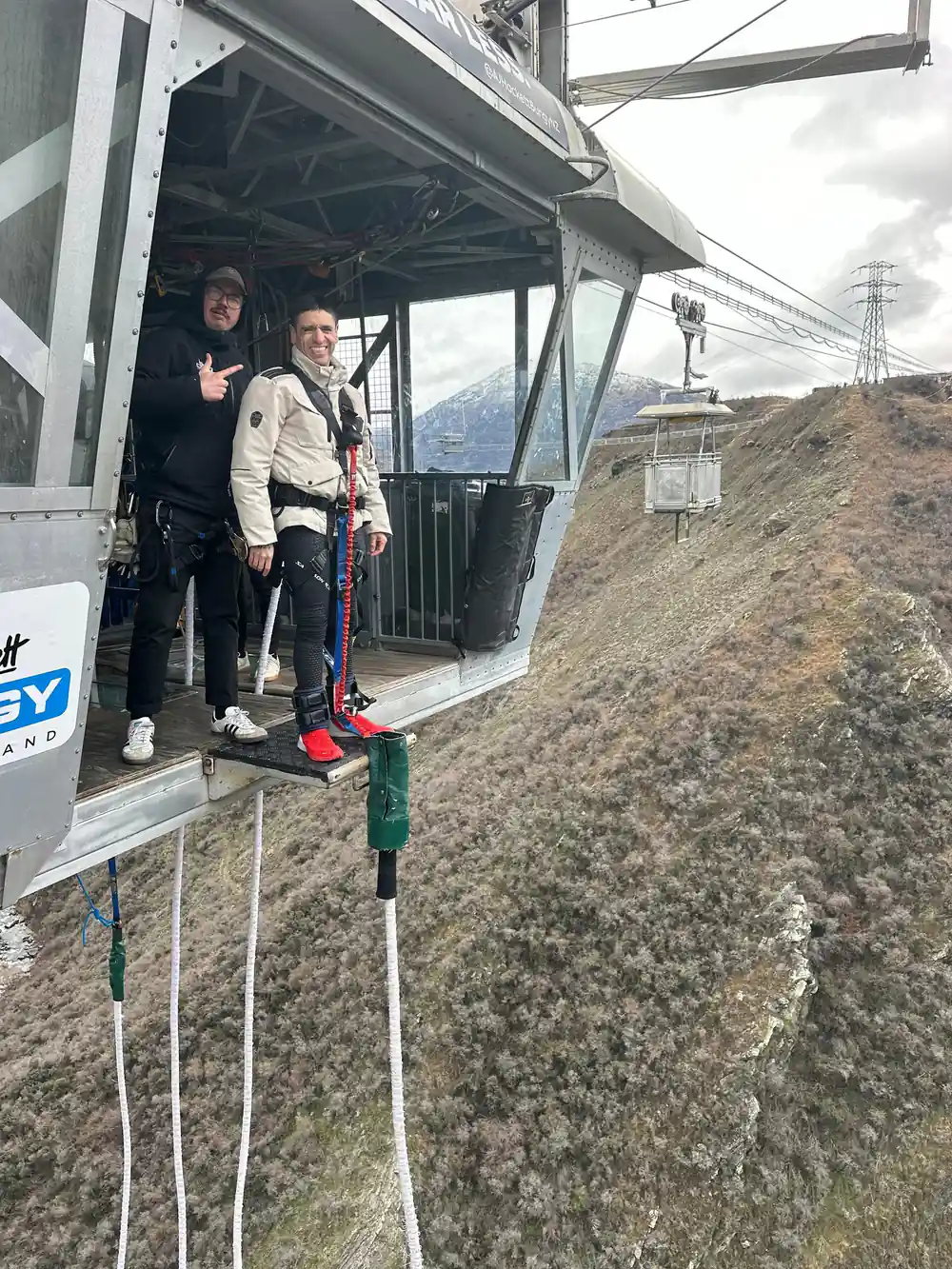
The Kawarau Bridge hangs over the turquoise water of the gorge, with jumpers out on the platform.
The edge
At the platform the crew take over and your job shrinks to one small thing: stand at the edge and let go. The cord is attached, the countdown starts, and the last moments tend to be quiet, because there is nothing left to decide. Then the edge is behind you and the decision is finished.
It helps to know the size of the thing you are standing on. The Kawarau Bridge bungy site is 43 metres above the water.[1] In the Queenstown area, the Ledge AJ Hackett site is 47m and the Nevis AJ Hackett site is 134m.[10] Wherever you start, the countdown sounds the same, and the first step off the platform feels the same.
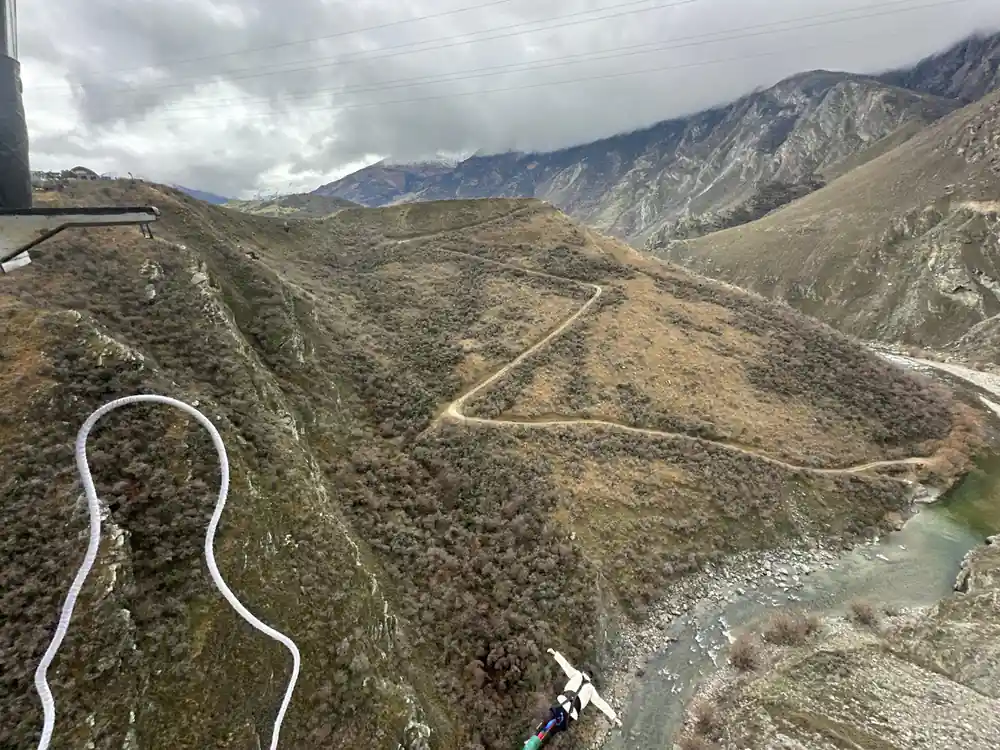
The view from the edge is the last thing you will remember clearly. Water below, rock walls on both sides, the cables of the bridge running past your shoulder, and a platform crew who have watched this exact hesitation many times before. Then it is air, and your body takes over from your thoughts.
Backing out
Nothing about a bungy booking is a one way door. The Kawarau Bridge Bungy listing lets you reserve now and pay later, and free cancellation is available up to 24 hours in advance for a full refund.[3] If the idea is keeping you awake two nights before you go, you still have room to change your mind and keep your money.
The group is small: the listing is limited to 6 participants, with an English speaking instructor.[3] If you would rather not have a crowd of strangers watching your first attempt, that is worth knowing before you book. A quiet platform is a kinder place to find out what you are made of.
If you get to the platform and your body refuses, say so early and out loud. The countdown is not a train you have to catch. Admitting the fear before it starts is much easier than standing frozen on the edge while everyone waits, and the crew would rather hear it from you than guess.
from US$188
The tour booked from this site is the Kawarau Bridge Bungy, from US$188, with a small group limited to 6 participants.[3]
The fall
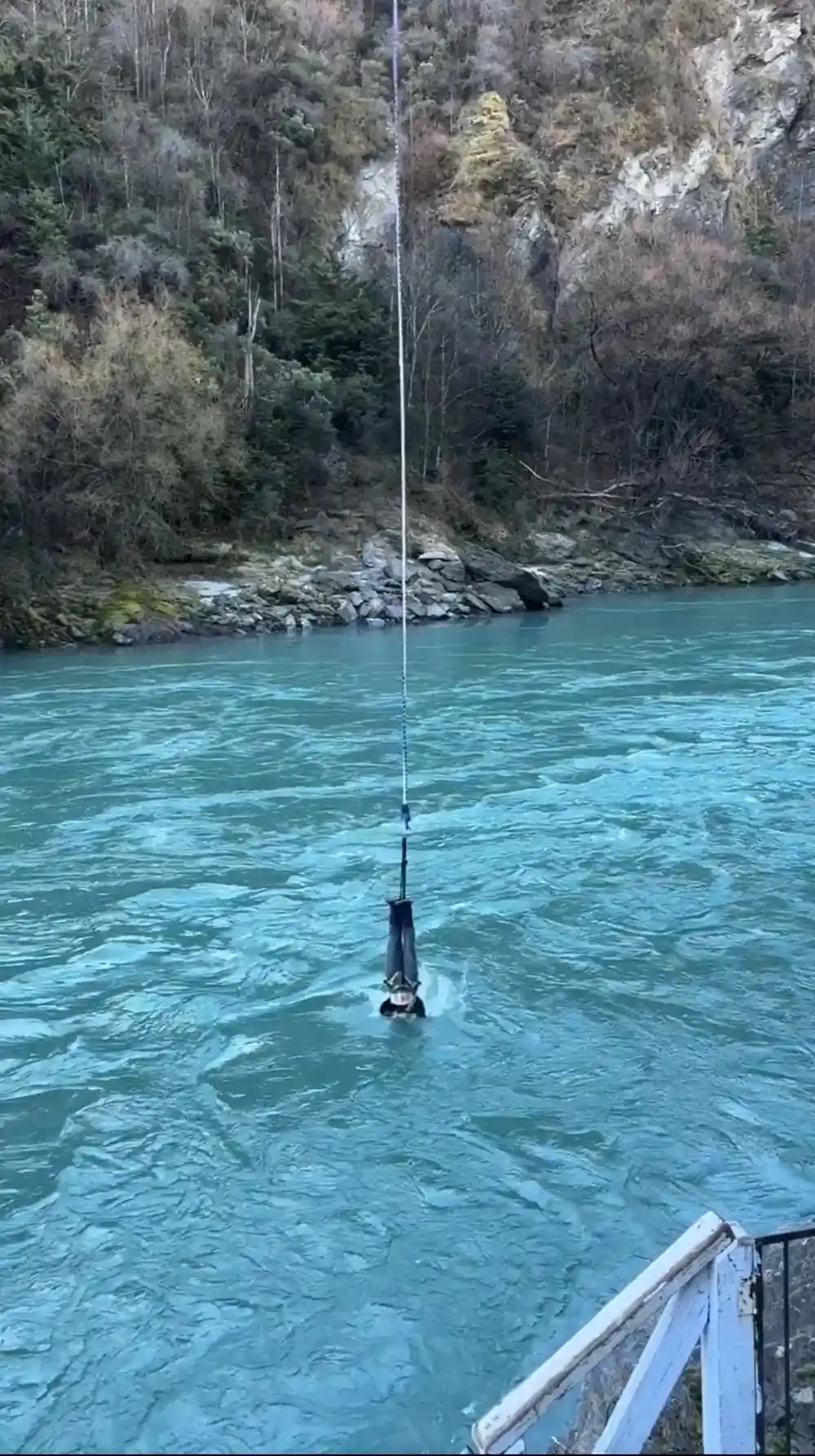
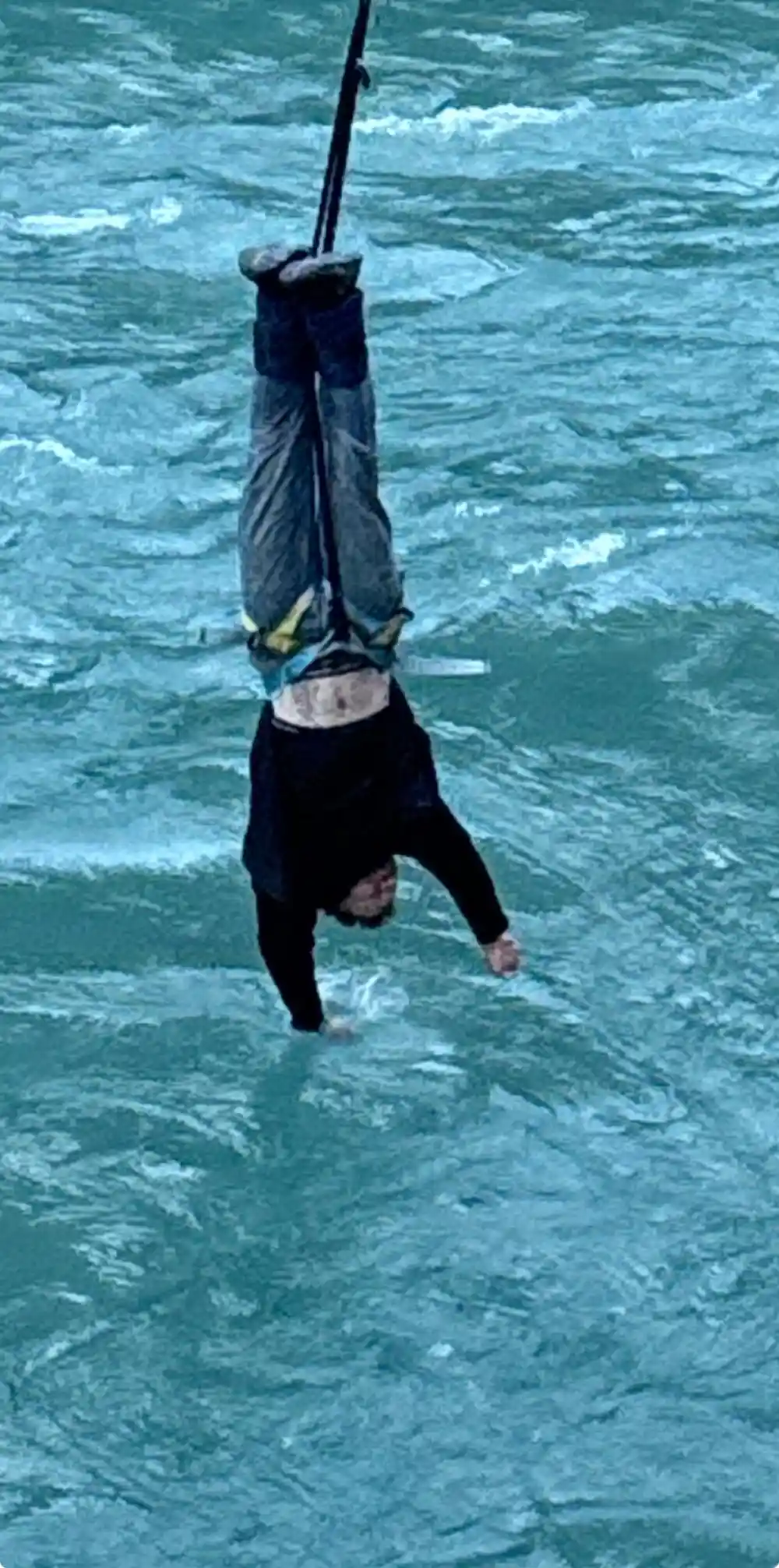
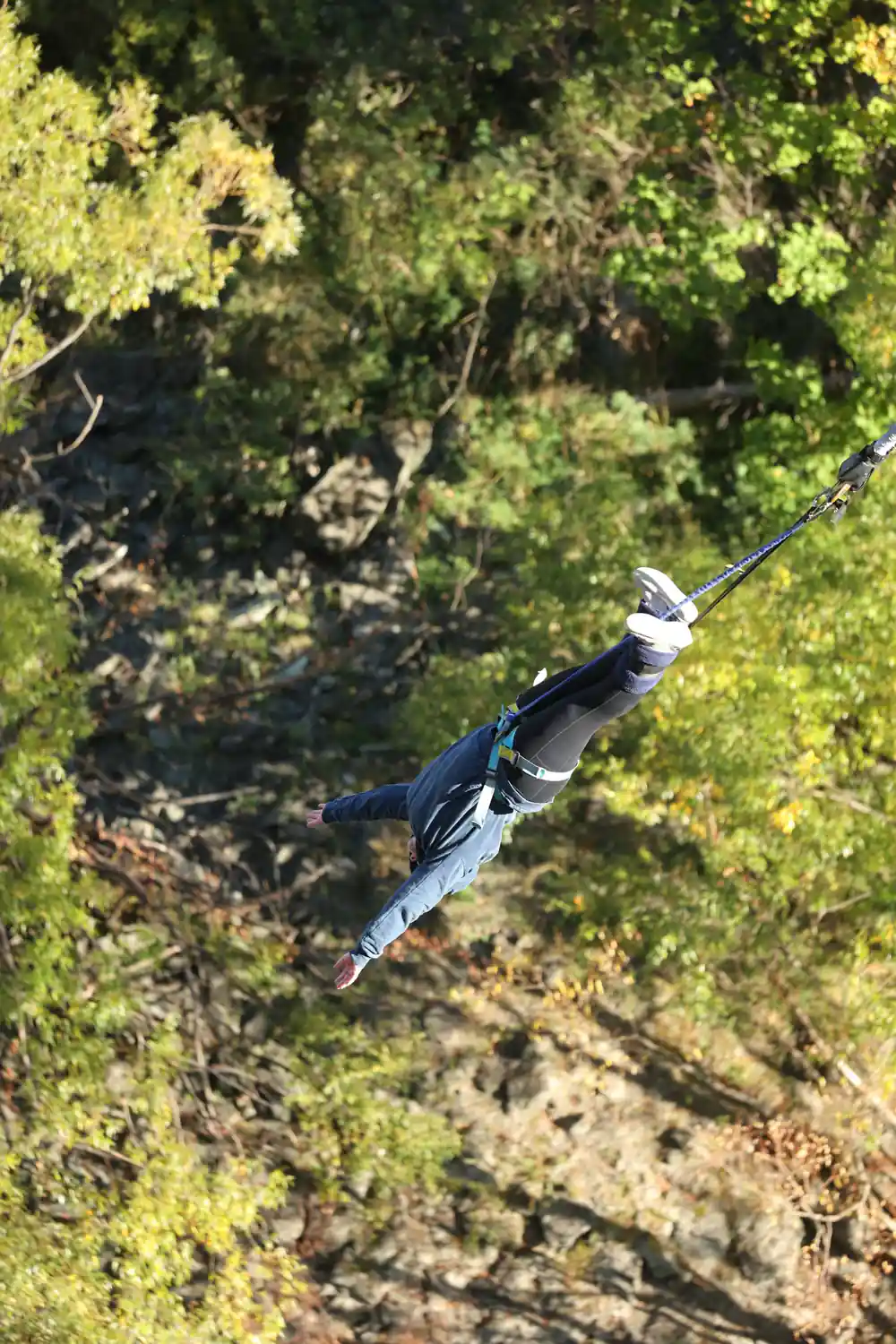
The fall is short and strange and nothing like the version you have been replaying in your head. There is a step or a push, then air. Your brain files it somewhere between falling and flying, the river comes up fast, the cord takes hold and you swing through the gorge with the bridge behind you and the water underneath.
Then comes the bounce, the slowing, and the business of being brought back to the bridge. The whole experience, from arriving at the site to walking off the bridge, runs 1 - 2.5 hours.[3] The fall is the shortest part of that. The rest is nerves, gear, waiting and the odd happiness that arrives afterwards.
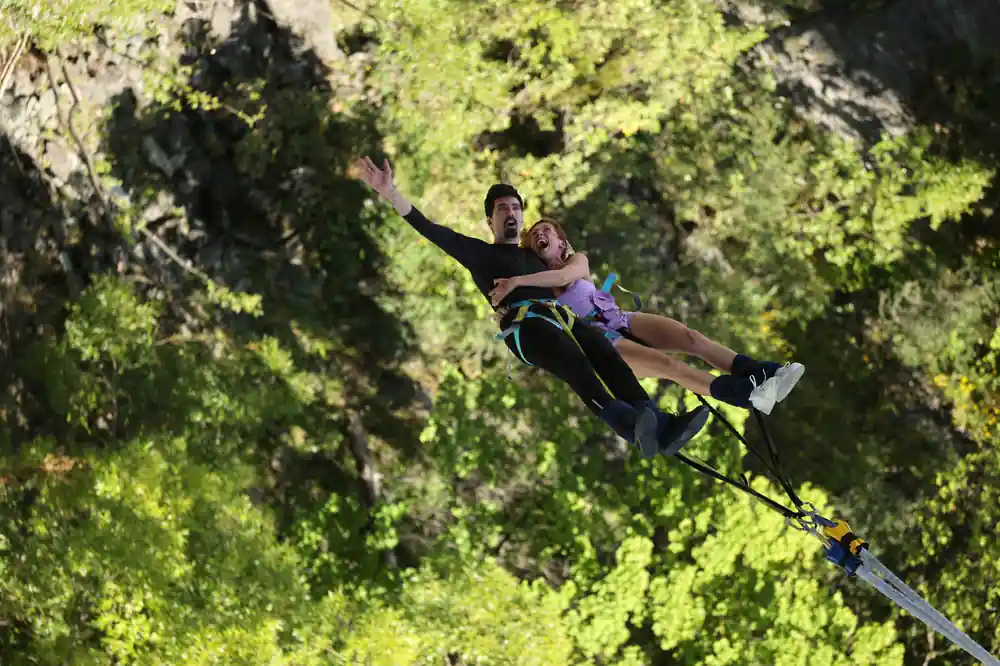
You may scream on the way down, or laugh, or forget to make any sound at all. The moment the cord catches will probably surprise you more than the drop does, and then it is over, and you are hanging in the gorge with the bridge above you and the river running on below.
Afterwards
Back on the bridge, your legs will feel unsteady and your voice will come out higher than usual. The fear that has been building since you booked tends to leave quickly once the cord stops moving. What is left is usually shaky hands, a dry mouth and a strong urge to tell somebody what you just did.
Other people's verdicts are on the listing itself. The Kawarau Bridge Bungy is rated 4.90 from 195 reviews, with Guide at 4.9, Transportation at 4.9 and Value for money at 4.7.[3] Read a few of those reviews if you want to know how the fear feels from the other side, written by people who were standing where you are now.
Give yourself time before you drive anywhere. Sit down, eat something, watch the next person jump, and let your hands stop buzzing. The drive back to Queenstown is around 25 minutes (23 km) via State Highway 6,[2] which is a long way to travel while your body is still deciding whether that really happened.
Should you do it if you are frightened of heights
A fear of heights and a bungy jump are not automatically incompatible. The Kawarau Bridge bungy site is 43 metres above the water.[1] Higher options exist in the same region: the Ledge AJ Hackett site is 47m and the Nevis AJ Hackett site is 134m.[10] If the smaller drop feels more possible than the bigger ones, that is worth knowing before you book anything.
Some limits answer the question for you. At AJ Hackett, the minimum age to bungy jump is 10 years old, the minimum weight is 35kg, and the maximum weight is 235kg.[7] If you want a different kind of thrill on the same river, the Kawarau Zipride is 130m long and reaches a highest speed of 60 km/h according to AJ Hackett's team.[11] The Kawarau Swing is from US$141, and the Kawarau River Rafting and Jet Boat Ride is from US$193.[12][13]
Safety is not something you have to take on trust. In New Zealand, bungy operators are required to be registered under the Health and Safety at Work (Adventure Activities) Regulations 2016 and must periodically pass independent safety audits.[6] If the fear is really about who is looking after you, that framework is the answer, and you can always ask the crew about the gear before you commit to anything.
Bungy site heights above the water
Heights above the water as stated: Kawarau Bridge 43 metres[1], Ledge 47m and Nevis 134m[10].
From-prices at the Kawarau Bridge site
From-prices per person in US dollars for the Kawarau Bridge Bungy[3], the Kawarau Swing[12] and the Kawarau Zipride[14].
When to book the Kawarau Bridge Bungy
On the day at Kawarau
Check in
Arrive for your slot at the Bungy Centre and check in with the crew.
Weigh in and gear up
The crew weigh you and fit the bungy gear, then you join the group heading onto the bridge.
Walk out
The walk to the platform is the part that stays with people. Look out at the gorge, not straight down.
Wait your turn
You watch the people ahead of you jump and get brought back up. Your own countdown is coming.
Stand at the edge
The cord goes on, the crew count you in, and you leave the platform.
Bounce and come back
After the first bounce you slow, swing and are brought back to the bridge. The whole experience runs 1 - 2.5 hours.[3]
Ready to stand on the edge at the Kawarau Bridge?
from US$189Reserve now & pay later